
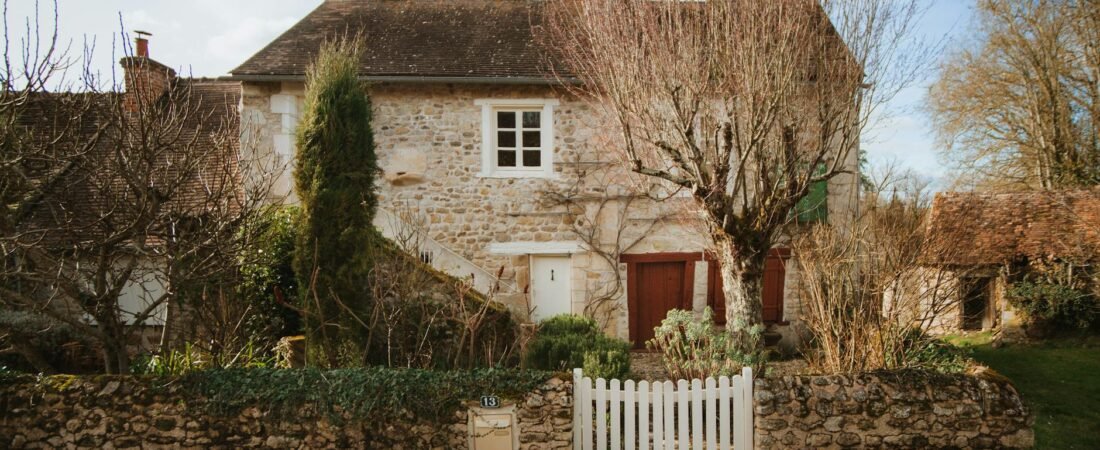
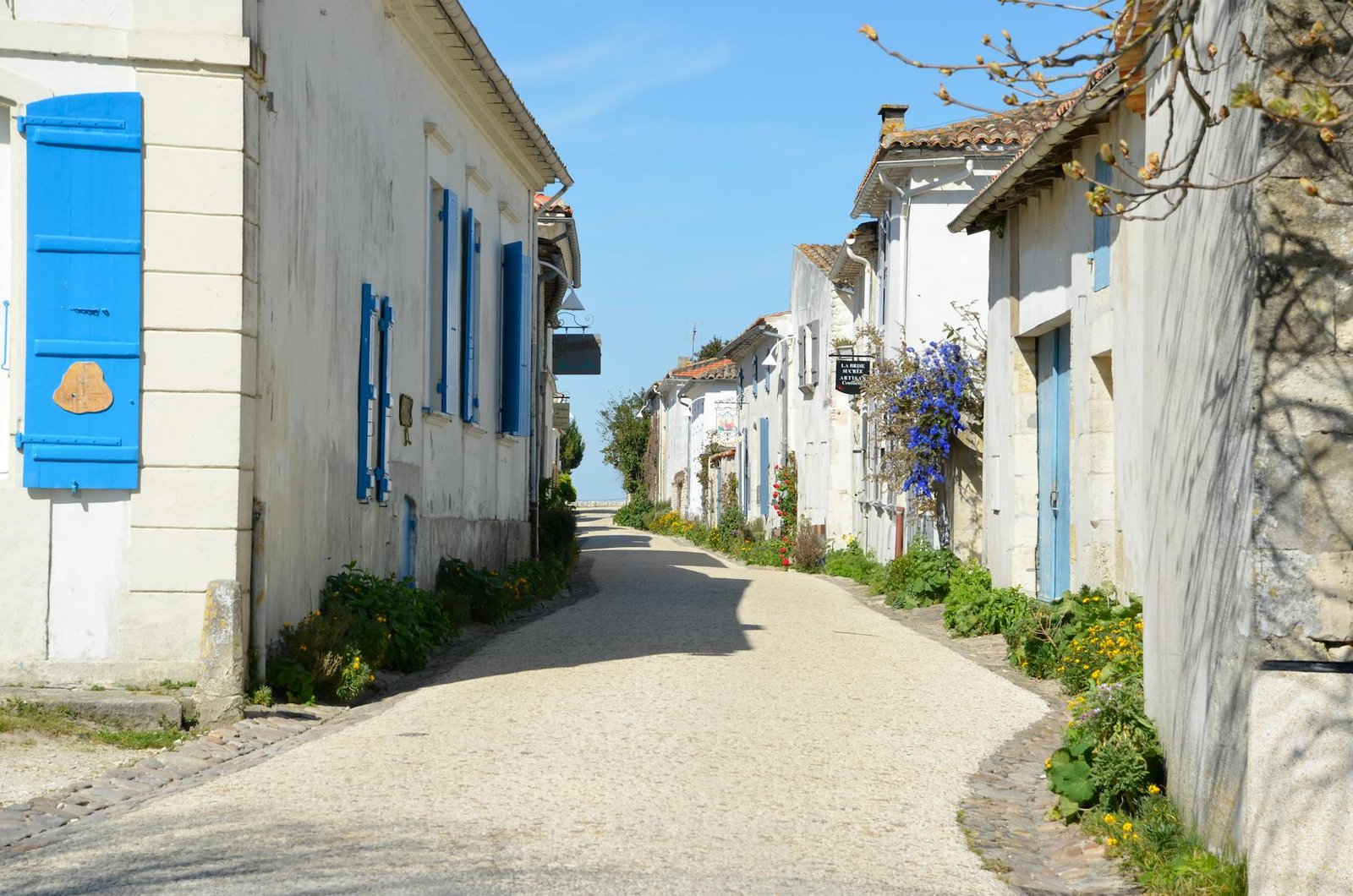
France is home to over 30,000 communes, yet only a tiny fraction capture that timeless, storybook aesthetic you see in movies. Finding the prettiest villages in France requires looking past the crowded tourist hubs and into the quiet valleys and rugged hillsides where architecture remains untouched by time. Quick version: The prettiest villages in France prioritize preserved medieval stone, flower-lined canals, and dramatic cliffside positioning over modern amenities.
- Best time to visit: May, June, or September for mild weather and fewer crowds.
- Daily budget: $150–$250 per person (prices may vary – check before you go).
- Ideal trip length: 7 to 10 days to cover multiple regions.
- Language: French; learning basic phrases like “bonjour” helps immensely.
- Tactical tip: Always rent a car, as public transport rarely reaches these remote, photogenic spots.
What are the prettiest villages in France that you should visit?
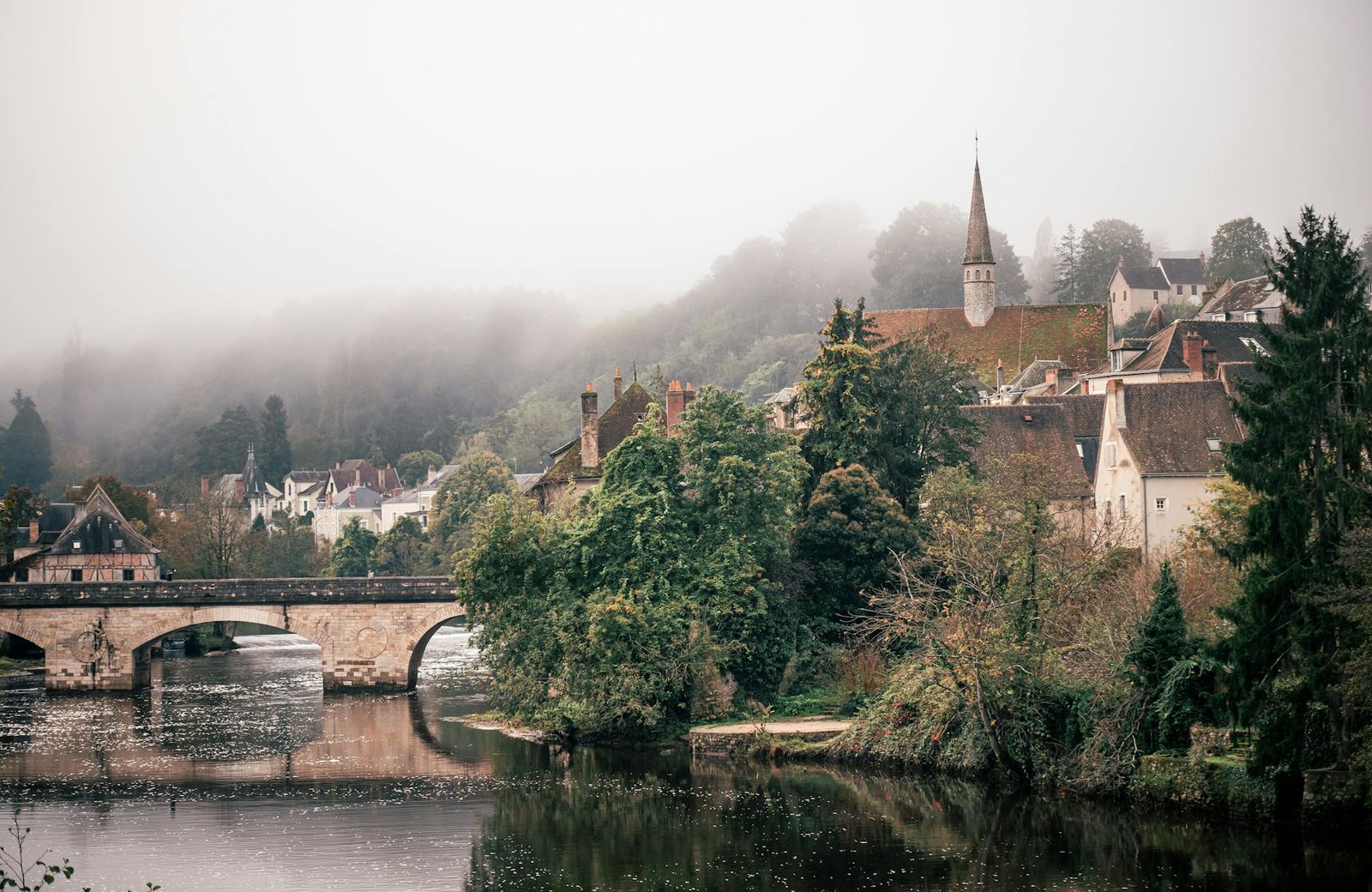
Selecting the prettiest villages in France depends on your preference for coastal cliffs, mountain backdrops, or lush river valleys. These specific locations offer the highest density of preserved architecture and natural beauty while remaining strictly secular in their appeal. You will find that the most visually striking spots often focus on local crafts, agricultural history, and defensive engineering from past centuries.
Beynac-et-Cazenac
Perched precariously on a limestone cliff, this village overlooks the Dordogne River with a commanding view of the valley below. You will notice the golden-toned stone houses clustered tightly together, creating a maze of steep, narrow alleys that discourage modern vehicle traffic.
The primary draw here is the sheer verticality of the layout. Walking from the riverbank up to the highest defensive walls requires endurance, but the panorama of the river winding through the green landscape justifies the effort. It remains one of the most well-preserved examples of feudal military planning in the country.
La Roque-Gageac
Located just a few kilometers from Beynac, this village sits directly against a massive cliff face that acts as a natural heat trap. The microclimate here allows palm trees and exotic vegetation to flourish, giving the village a Mediterranean feel despite its inland location.
You should spend your time here exploring the riverfront promenade or taking a traditional gabarre boat tour on the water. These flat-bottomed wooden boats provide a unique perspective of the cliffside dwellings from below, which is impossible to replicate from the road.
Yvoire
Situated on the shores of Lake Geneva, Yvoire is famously known for its abundance of floral displays that decorate every wall and balcony. The village walls and gates have stood since the early 14th century, maintaining a distinct defensive character that contrasts with the lush, colorful gardens.
Because it is located on a peninsula, the views of the water are expansive and serene. You will find that the local focus is heavily placed on artisan crafts, specifically glassblowing and pottery, which makes it a prime spot to pick up authentic, locally made goods.
Gordes
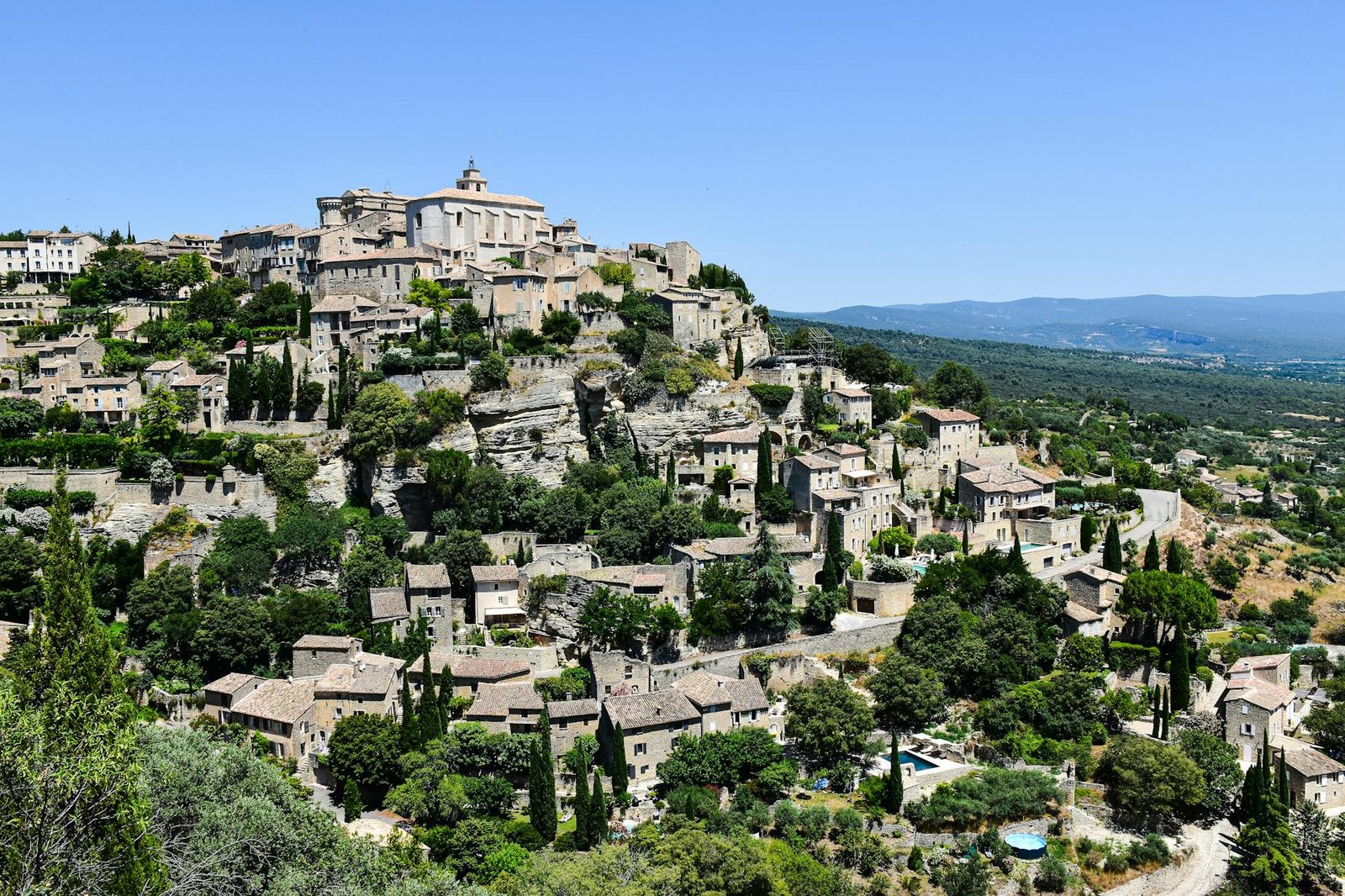
This hilltop village in the Luberon region consists of houses built directly into the rock, creating a dramatic silhouette against the sky. The pale stone structures seem to glow during the golden hour, providing one of the most iconic vistas in the Provence region.
Walking through the narrow, winding streets feels like navigating a labyrinth designed to confuse invaders. You will find several viewpoints on the outskirts that offer the perfect vantage point for photography, especially when the surrounding lavender fields bloom in mid-summer.
How do you plan a road trip between these villages?
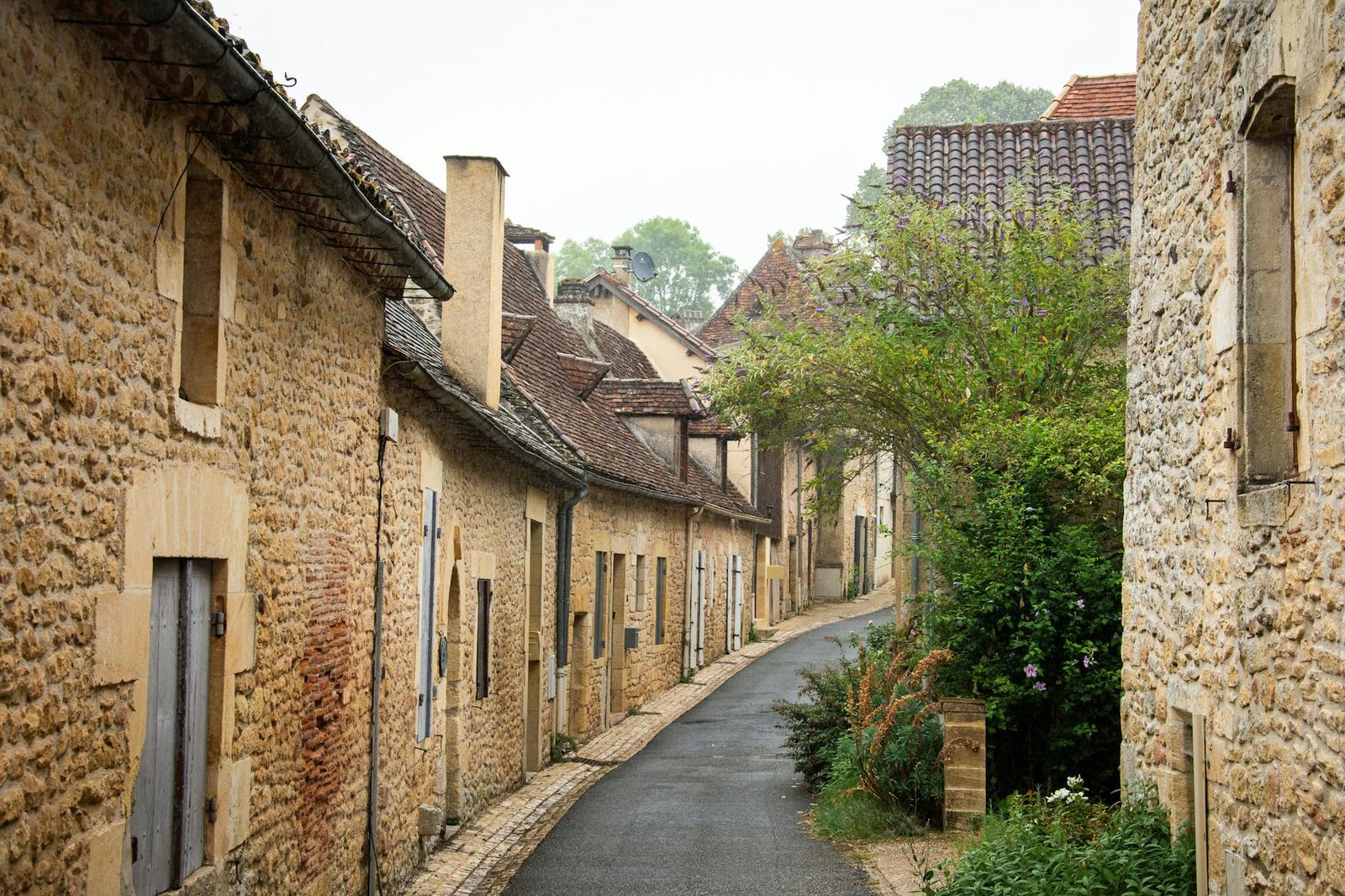
The most efficient way to see the prettiest villages in France is to group them by region to minimize driving time. If you land in Paris, take a high-speed train to the nearest regional hub like Bordeaux or Avignon, then rent a car. Trying to drive from the coast to the mountains in one trip will consume your entire vacation in transit.
You should aim for no more than two villages per day. Rushing through these places robs you of the experience of simply sitting in a café or walking the perimeter walls. Use this guide to regional French travel to help map your routes effectively.
Transportation and logistics
Renting a manual transmission vehicle is significantly cheaper than an automatic, so consider that if you are comfortable driving a stick shift. Always check the parking situation in advance, as many of these villages prohibit cars within the historic center. You will often find large, paid parking lots on the periphery that require a short walk into the village core.
Google Maps is generally reliable, but download offline maps before you head into rural areas where cell service drops frequently. Also, check your rental agreement to ensure it covers travel into neighboring countries if your route crosses borders.
Budgeting for your visit
Accommodation in the prettiest villages in France often comes at a premium due to high demand and limited supply. You can save significantly by staying in larger towns located 20 minutes away from the main attraction. For example, staying in Sarlat allows you easy access to several nearby villages while keeping your lodging costs manageable.
Food costs can be kept low by visiting local markets to assemble picnic lunches. Most villages have a weekly market selling fresh bread, local cheeses, and seasonal fruits, which provides a much better experience than a formal restaurant meal.
Common Mistakes to Avoid
Over-scheduling your days
Trying to cram four villages into one day results in nothing but exhaustion and photos of parking lots. Stick to a slower pace to actually enjoy the atmosphere that makes these places famous.
Ignoring the weather
Many of these villages are built on exposed hills or cliffs, making them susceptible to high winds and sudden temperature drops. Always pack a light jacket even if the forecast predicts a warm day.
Booking too late
The most popular villages have very limited lodging options. You should book your stay at least four months in advance for summer travel to secure a room at a reasonable price.
Common Questions
Are these villages accessible by train?
Most of the prettiest villages in France are located far from major rail lines. While you can take a train to a regional city, you will almost certainly need a rental car to reach the village gates.
What should you pack for a trip to these villages?
Comfortable walking shoes are non-negotiable, as most villages feature steep, uneven cobblestone streets. Bring a portable power bank for your phone and a reusable water bottle for long days of walking.
Can you visit these places with a family?
These villages are excellent for families, provided you prepare for a lot of walking. Keep in mind that strollers are difficult to maneuver on medieval stone paths, so use a baby carrier if you have small children.
Do you need to speak French to visit these areas?
While you do not need to be fluent, learning basic greetings and numbers is highly appreciated by locals. In major tourist areas, many people speak English, but you should not assume this in the more remote, rural villages.
Your journey through the prettiest villages in France will offer a glimpse into a slower, more deliberate way of life. Take your time to walk the walls, enjoy the local food, and appreciate the architecture that has defined these regions for centuries. Read more about planning your perfect European road trip here.