
Searching for hidden gems in Portugal often leads to crowded tourist hubs, but the most rewarding experiences exist just off the main coastal highways. You’ll find that exploring beyond the capital reveals rugged cliffs, quiet mountain villages, and ancient forest trails untouched by mass tourism. Quick version: Focus your trip on the Alentejo interior and the northern mountain ranges to escape the crowds and find authentic Portuguese landscapes.
- Best months: April to June or September to October.
- Daily budget: $70–$120 USD (prices may vary – check before you go).
- Ideal trip length: 10 to 14 days.
- Language: Portuguese (English is widely spoken in tourist areas).
- Pro tip: Rent a compact car to navigate narrow village streets easily.
The Alentejo Coast and Its Secluded Beaches
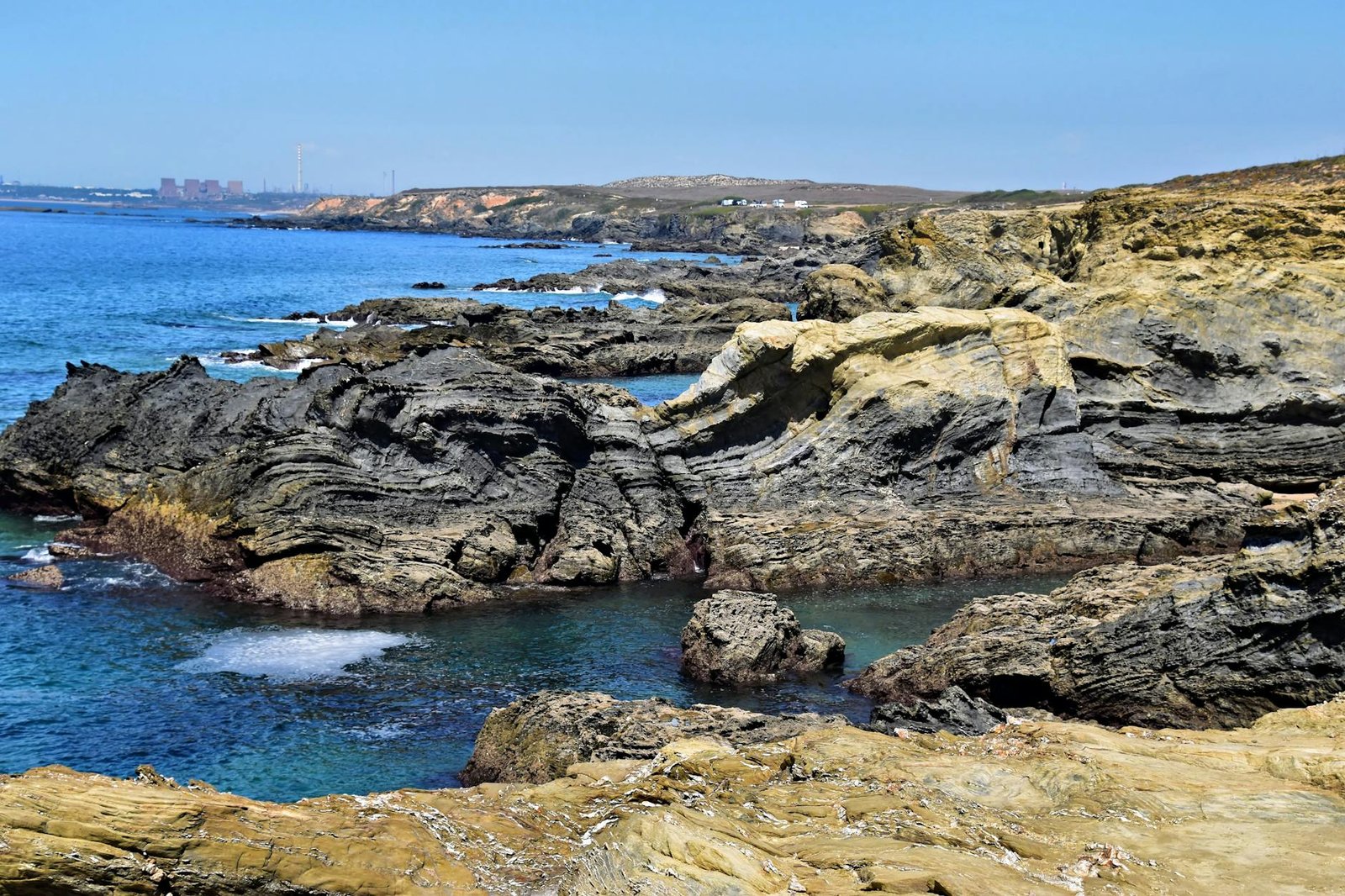
While travelers flock to the southern resorts, the Alentejo coast remains a vast stretch of protected shoreline. You’ll find sandy coves backed by dramatic cliffs where the only sound is the Atlantic breeze. Spend your time walking the Fisherman’s Trail, a long-distance path that connects tiny fishing outposts.
Start your route near Vila Nova de Milfontes. You can spend your mornings kayaking on the Mira River, which stays calm and clear throughout the summer months. Afterward, head to the nearby beaches like Praia do Malhão, where you’ll rarely see more than a handful of people even in July.
What are the best ways to explore the Serra da Estrela mountains?
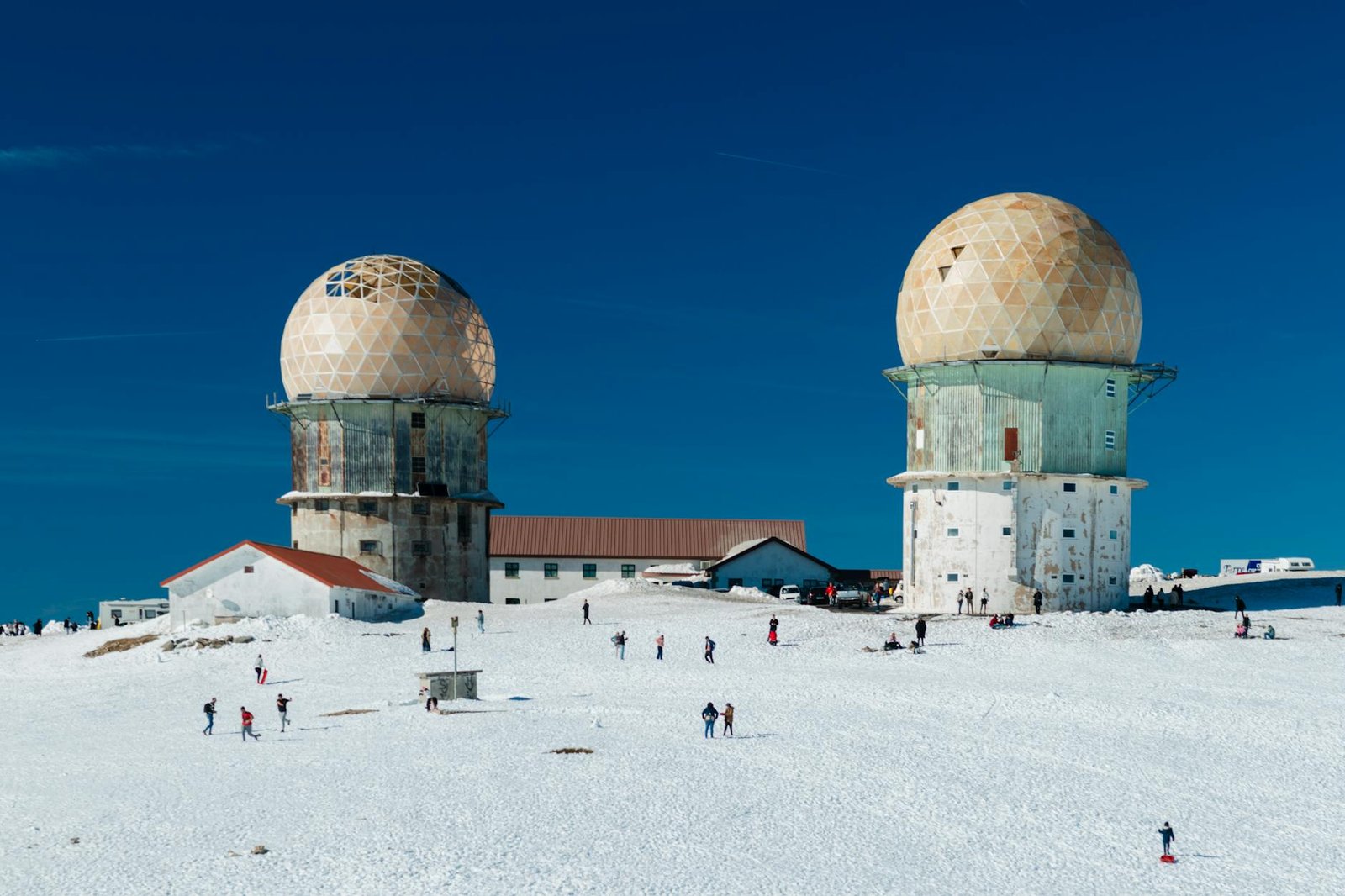
The Serra da Estrela range offers the highest elevation on the mainland, providing a distinct contrast to the coastal regions. You should drive the winding roads to the glacial valleys for spectacular hiking opportunities. During the summer, these high-altitude paths offer cool temperatures and expansive views over the central plains.
To get the most out of your visit, base yourself in the town of Manteigas. From here, you can access dozens of marked trails that lead to the Zêzere Glacial Valley. Budget at least three full days to explore the various loops, as the terrain requires a moderate fitness level and sturdy footwear.
The Riverside Charm of Piodão
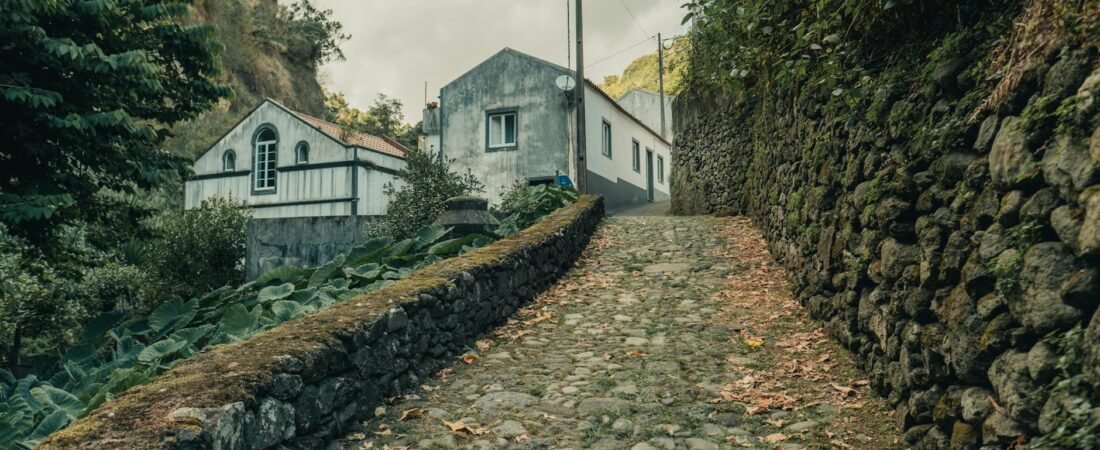
Tucked deep into the Serra do Açor, Piodão is a village constructed entirely from schist stone. You’ll feel like you’ve stepped back in time as you navigate the steep, narrow alleys that wind between the dark, slate-colored houses. It’s a quiet, atmospheric spot that feels miles away from modern commercial centers.
Spend your time here simply walking the perimeter of the village to admire the architectural consistency. The local cafes serve honey-based desserts and goat cheese that you won’t find elsewhere in the country. If you want to see more authentic Portuguese village life, this is your primary destination.
Exploring the Douro Valley Beyond the Vineyards
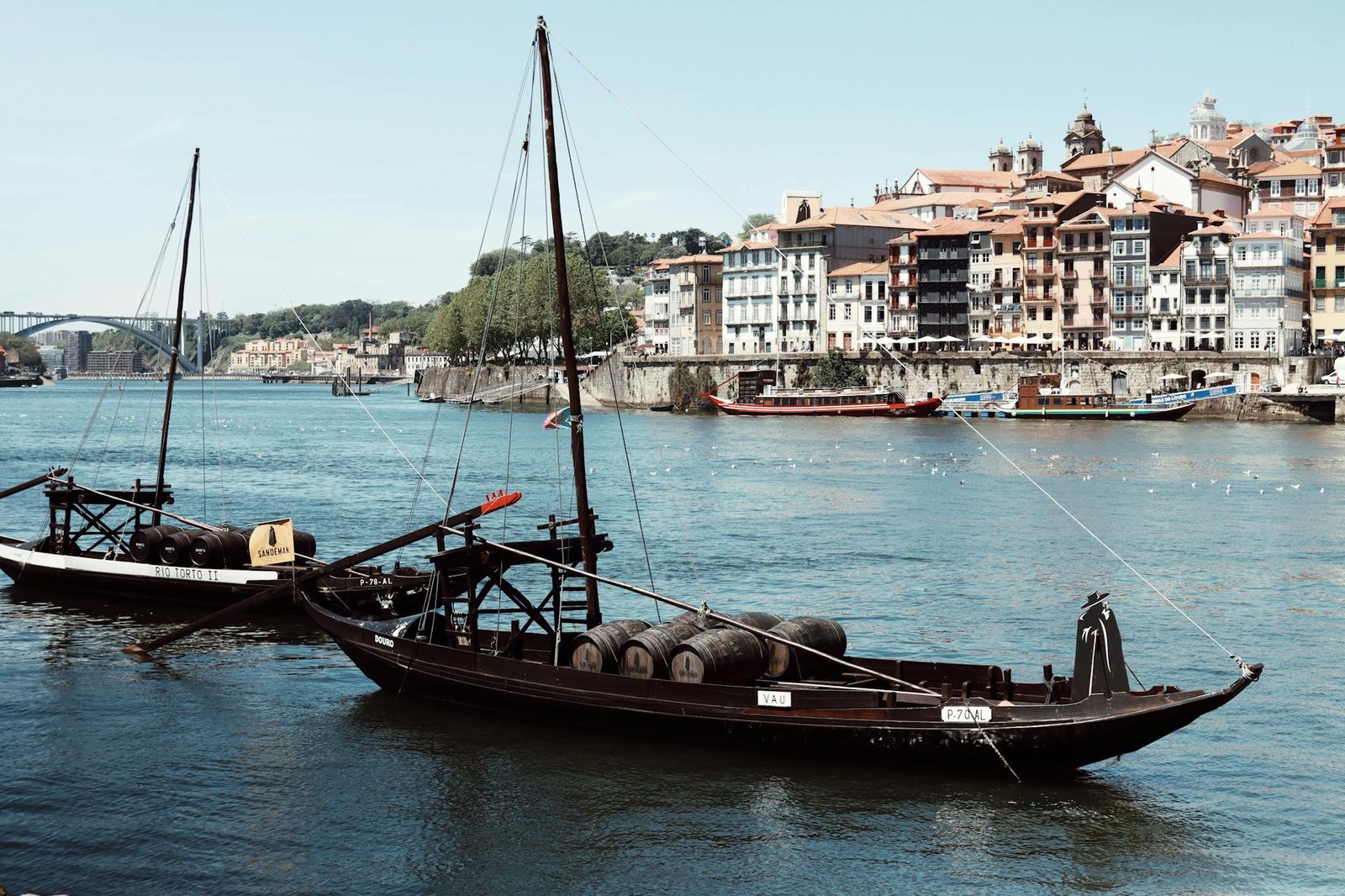
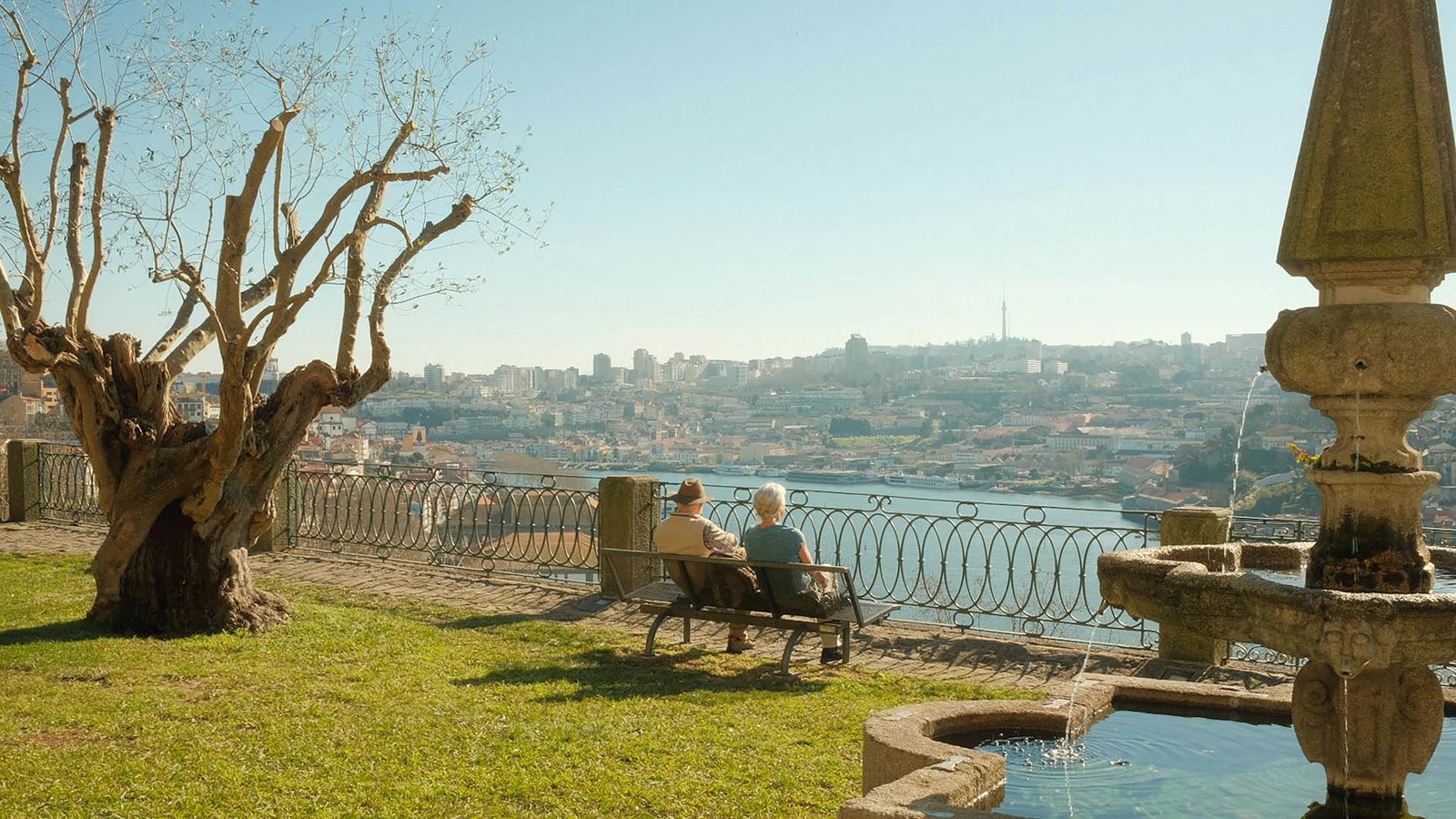
The Douro Valley is famous for its terraced hillsides, but you should move beyond the typical tasting rooms to find the real magic. Hire a private boat for a morning trip on the river to view the steep banks from the water. This perspective highlights the sheer scale of the engineering required to build these agricultural slopes.
Visit the town of Pinhão for a quieter experience compared to the larger regional hubs. You’ll find plenty of walking paths that lead up into the hills, offering views that stretch for miles. It’s an ideal place to rent a bicycle and explore the secondary roads that hug the riverbanks.
The Natural Pools of Porto Moniz
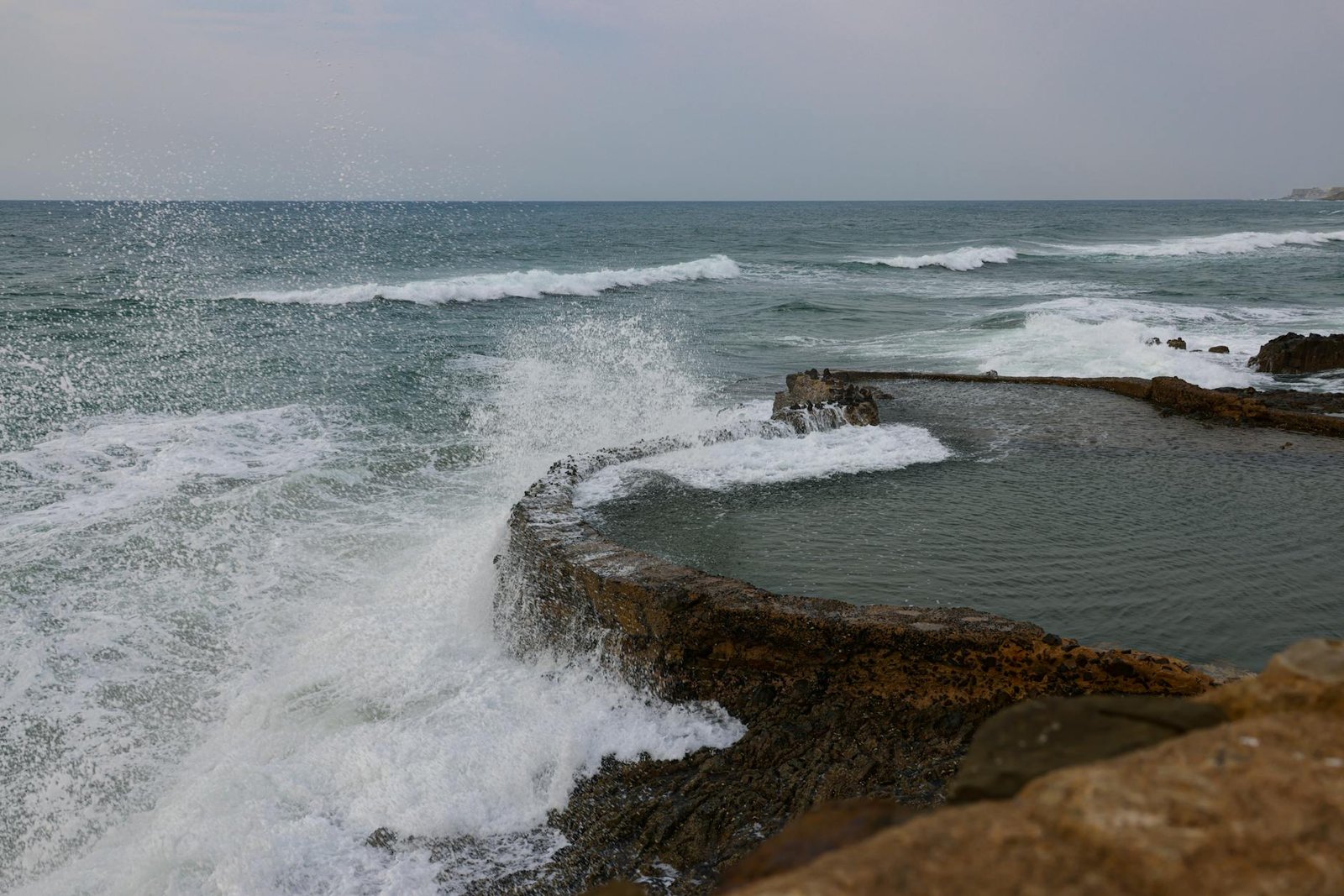
If your travels take you to the island of Madeira, head straight to the northwestern tip to find the natural swimming pools of Porto Moniz. These pools formed naturally from volcanic lava and fill with salt water from the ocean. You can swim safely while watching the waves crash against the surrounding rock walls.
The water temperature stays refreshing throughout the year. You’ll find changing facilities and small lockers nearby, making it easy to spend an entire afternoon here. It’s a unique geological feature that offers a relaxing alternative to standard beaches.
Planning Your Journey Through Portugal
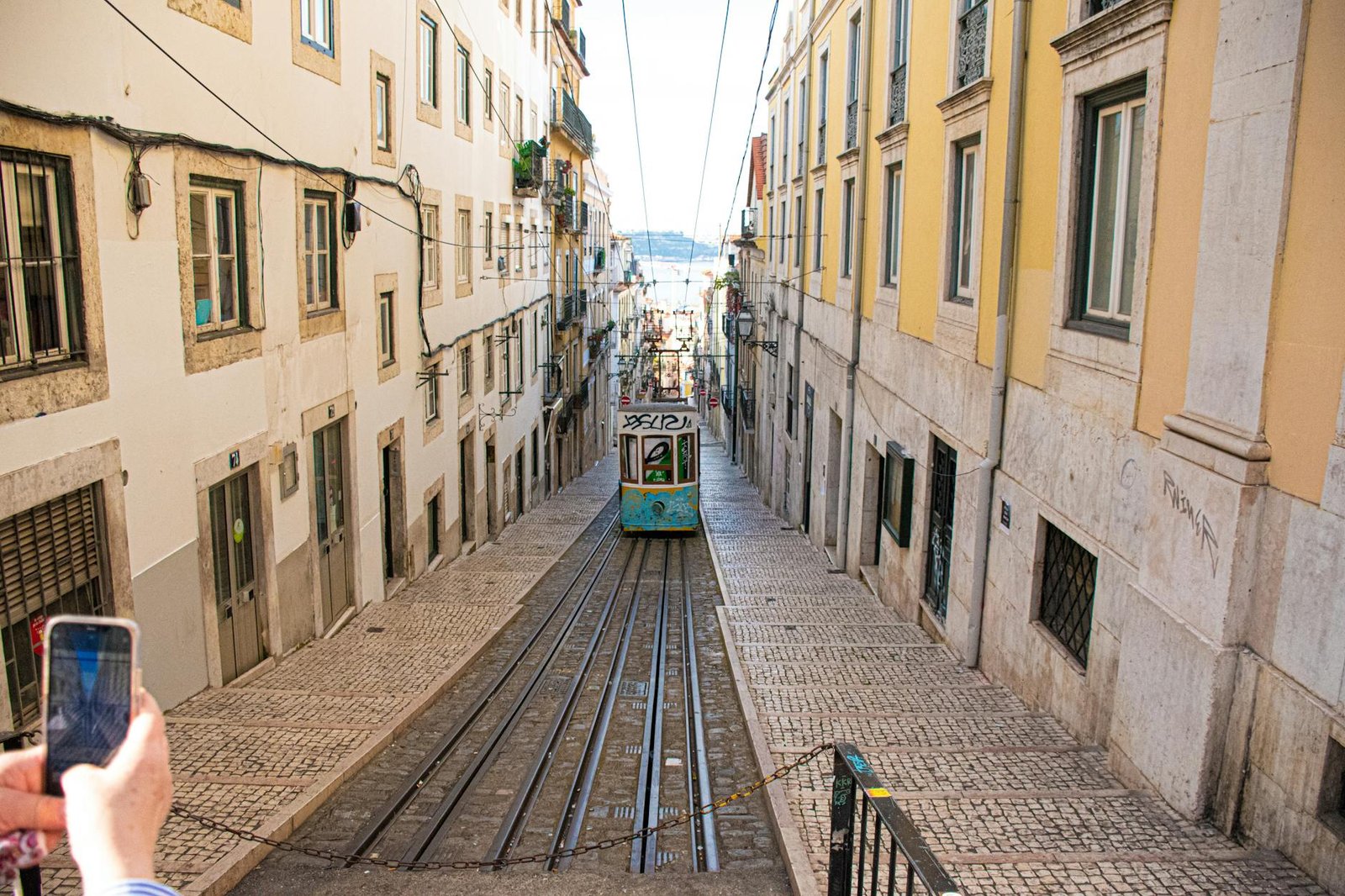
Navigating these hidden gems in Portugal requires a bit of logistical planning. You should avoid the major motorways when possible to catch glimpses of rural life. Using secondary roads will show you olive groves, cork forests, and small stone villages that don’t appear in standard travel brochures.
For accommodation, look for local guesthouses or rural farm stays. These often provide a more personal experience and include homemade breakfasts featuring local ingredients. You can find these options using specialized regional travel apps that focus on sustainable tourism.
Common Mistakes to Avoid
Many travelers try to see too much in a single week. You should limit your itinerary to two or three regions to avoid spending your entire vacation in a car. Focus on depth rather than breadth to truly appreciate the landscape.
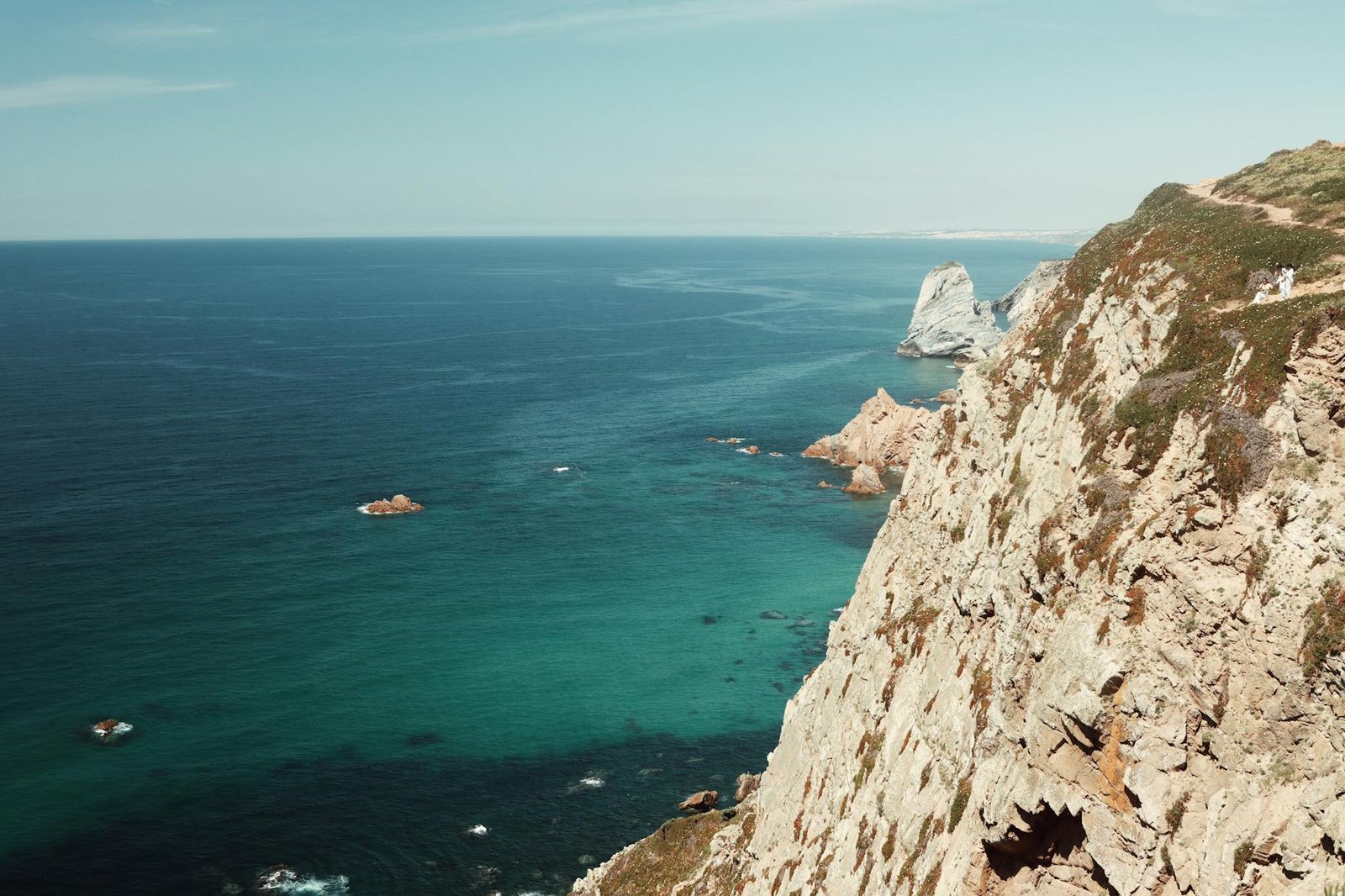
Another common error involves ignoring the geography of the interior. Many visitors stick to the coastline, missing the rugged beauty of the central mountain ranges. Make sure to allocate time for the inland areas to get a complete picture of the country.
Common Questions
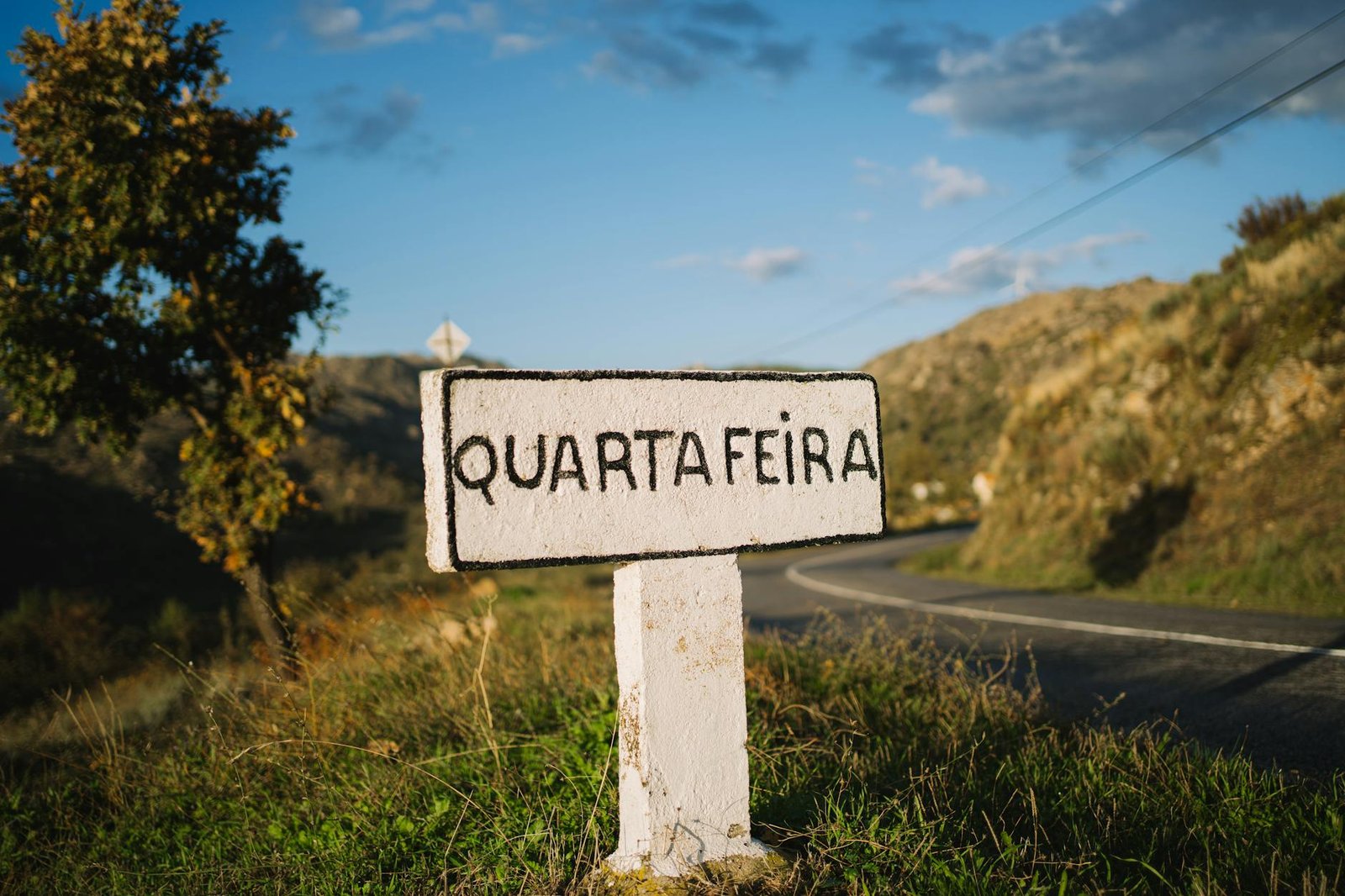
Is it necessary to speak Portuguese to visit rural areas?
You don’t need to speak the language, but learning a few basic phrases goes a long way. Most locals appreciate the effort, and you’ll find that younger residents often speak enough English to help with directions.
When is the best time to see the wildflowers?
Late spring, specifically April and May, is ideal for viewing the landscape in bloom. You’ll see vibrant colors across the Alentejo plains and the mountain valleys during these months.
Are these locations accessible by public transport?
Public transport is limited in the more remote regions. Renting a car is the most practical way to reach these hidden gems in Portugal on your own schedule.
What should you pack for a rural Portugal trip?
Bring comfortable hiking boots, a waterproof jacket, and layers for fluctuating temperatures. You should also pack a portable charger and a physical map, as cellular service can be spotty in deep valleys.
Your exploration of Portugal will be far more rewarding when you step away from the usual paths. By choosing these quieter spots, you ensure a peaceful and authentic trip that highlights the natural beauty of the region.