

Most travelers spend hours agonizing over their first European itinerary, only to realize they picked cities that are impossible to navigate without a car or a massive budget. Choosing accessible, pedestrian-friendly hubs allows you to experience the continent’s distinct rhythms without the stress of constant transit planning. Quick version: Focus your first trip on Copenhagen, Amsterdam, and Vienna for their walkability, clean public transport, and endless supply of world-class museums and parks.
- Best months to visit: May, June, September, and October.
- Average daily budget: $150–$250 per person (prices may vary – check before you go).
- Ideal trip length: 10 to 14 days for a three-city loop.
- Language: English is widely spoken in all major tourist hubs.
- Tactical pro tip: Book high-speed train tickets exactly 90 days in advance to save up to 60 percent on fares.
Why is Copenhagen one of the best cities in Europe for first-time visitors?
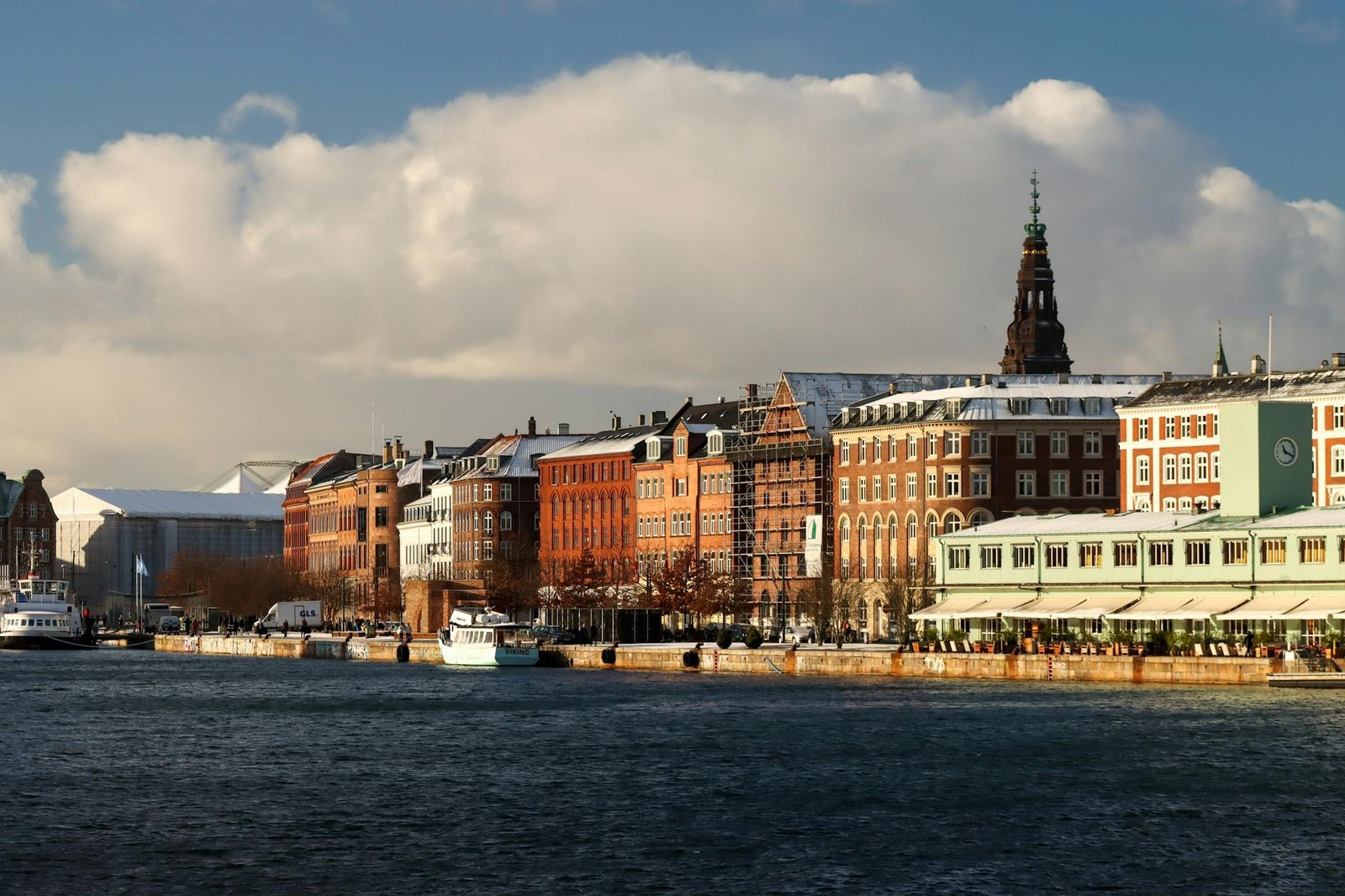
Copenhagen excels because of its manageable size and the sheer number of car-free zones. You can rent a bicycle for approximately $15 per day to move like a local across the city’s flat, dedicated cycle paths. The layout makes it nearly impossible to get lost while you explore the harborfront districts.
Spend your morning at the King’s Garden, a public park surrounding the Rosenborg Castle. The grounds offer extensive walking paths and manicured lawns perfect for a quiet picnic. Afterward, walk toward the Nyhavn waterfront to see the colorful 17th-century townhouses reflecting in the water.
For a different perspective, head to the Tivoli Gardens. This historic amusement park features vintage wooden rollercoasters and beautifully landscaped gardens that remain illuminated by thousands of lights well into the evening hours.
Amsterdam: The Ultimate Canal-Side Experience
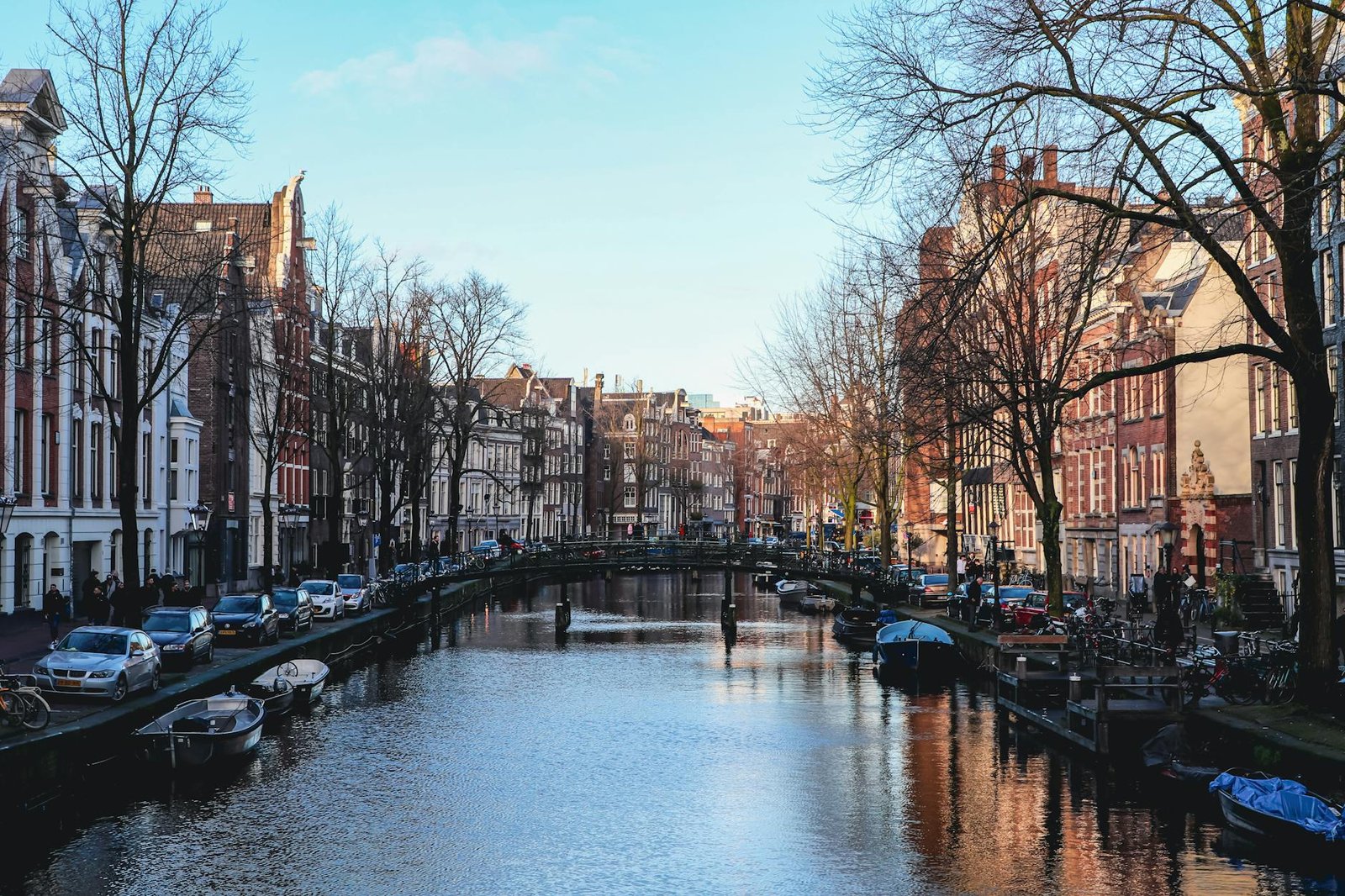
Amsterdam is famous for its intricate canal ring, which is a protected world heritage site. You should dedicate at least three days here to fully appreciate the blend of historical architecture and modern design. The city operates on a grid of trams, making it incredibly easy to reach any point from the central station.
Visit the Rijksmuseum to view centuries of Dutch art and historical artifacts. The building itself is a masterpiece of design, housing works by Rembrandt and Vermeer without any religious themes in the main gallery displays. Keep your afternoon free for a stroll through the Vondelpark, the largest green space in the city.
If you want to see the city from the water, book a glass-topped boat tour. These tours provide clear views of the narrow merchant houses that line the canals. Prices generally range from $18 to $25 per person (prices may vary – check before you go).
Vienna: Grandeur and Coffee House Culture
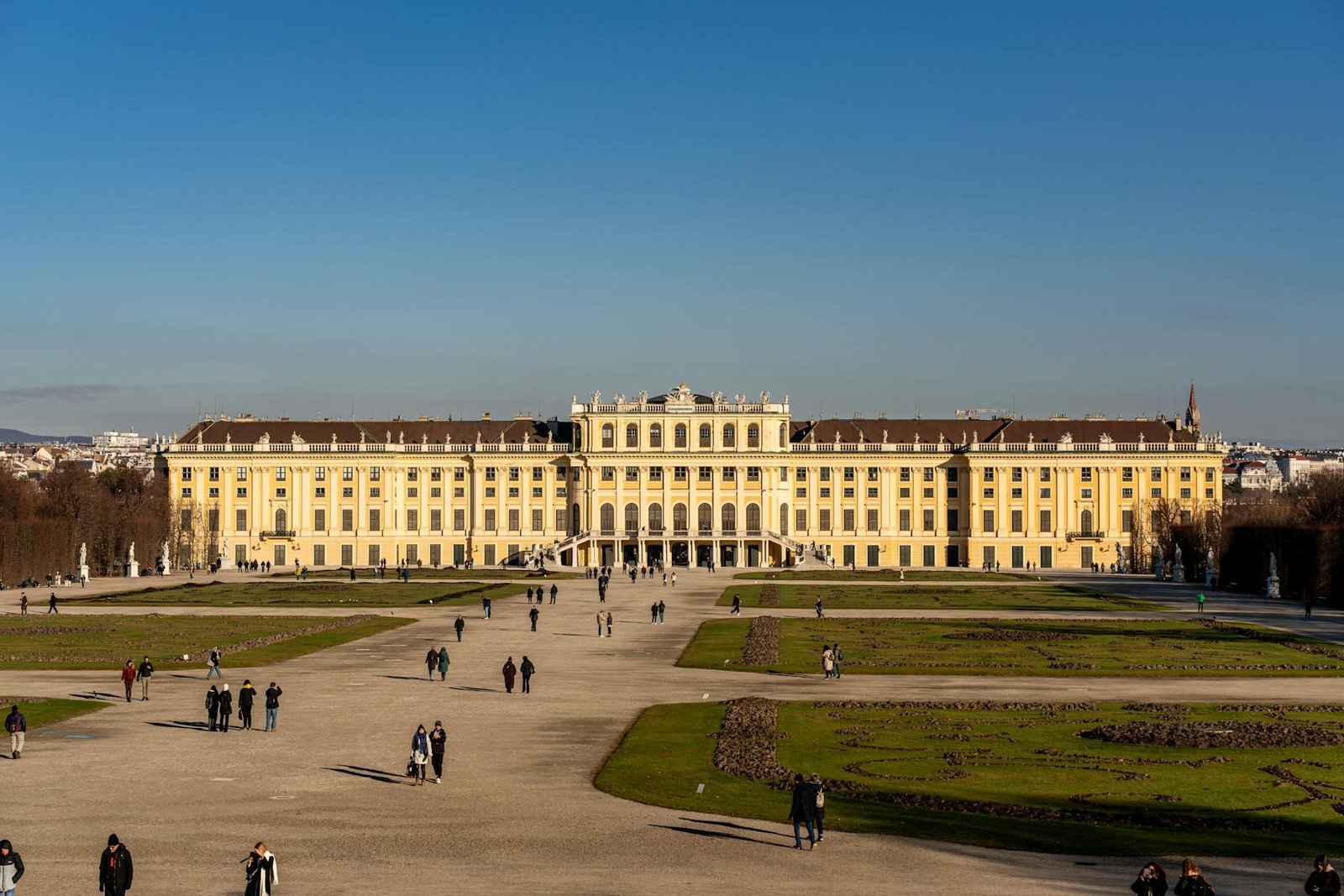
Vienna provides a sophisticated introduction to European capital cities. Its imperial past is visible in the massive palaces and wide boulevards that define the city center. You will find that the public transit system is one of the most efficient in the world, running on a strict schedule that rarely misses a beat.
Start your visit at the Schonbrunn Palace. While the palace is massive, the real highlight for many visitors is the expansive park behind the main building, which includes a botanical garden and a maze. The climb to the Gloriette viewing terrace provides a panoramic look at the entire city skyline.
Dedicate time to the traditional coffee house culture found throughout the first district. These venues serve as living rooms for the city, where you can enjoy a slice of Sachertorte or apple strudel. It is a slow-paced way to recharge between sightseeing sessions.
How to Choose Between These European Destinations
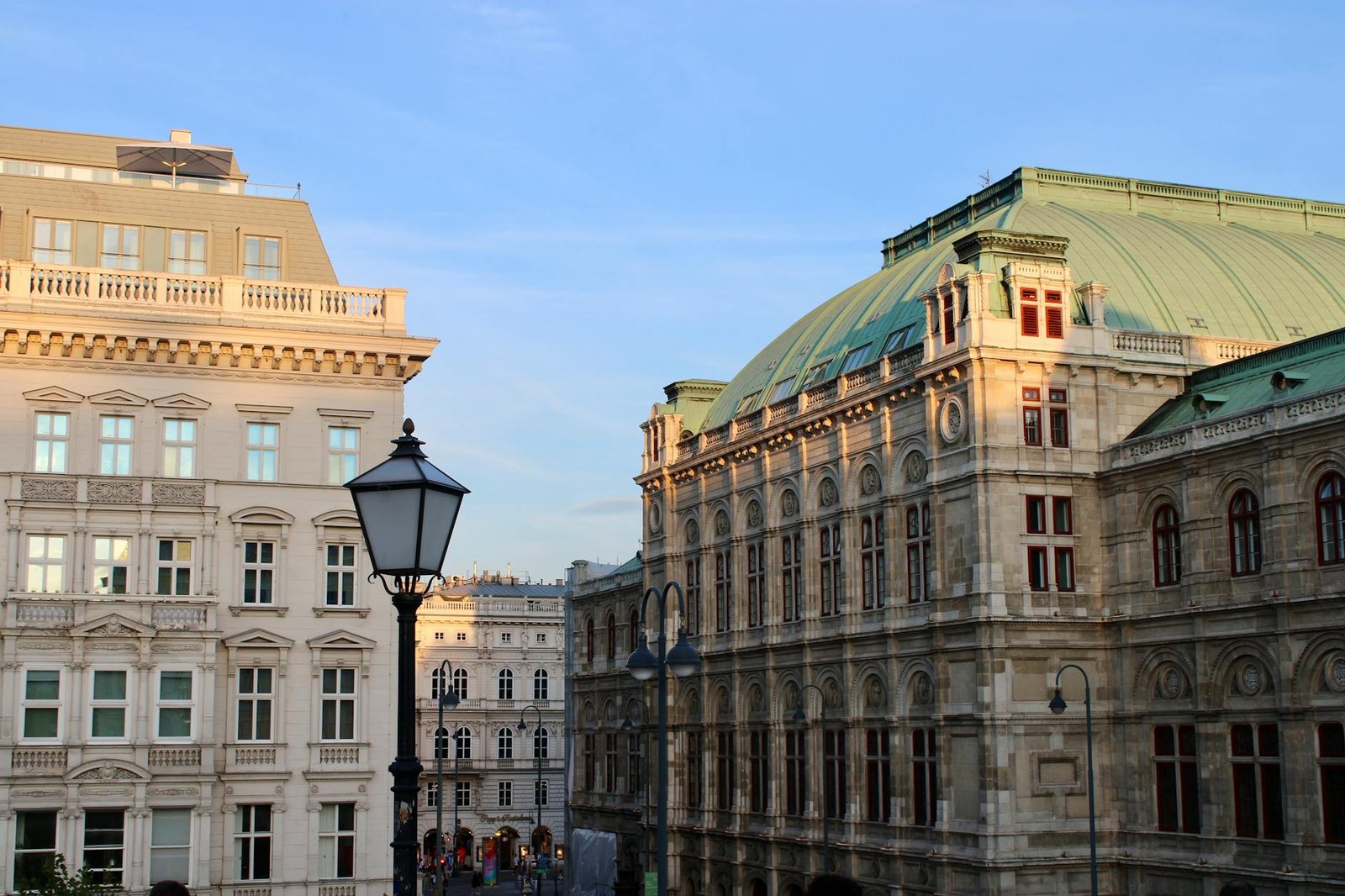
If you prefer a cycling culture and a relaxed, casual vibe, prioritize Copenhagen. If you want a mix of world-class museums and water-based sightseeing, Amsterdam is your best choice. For those who enjoy grand architecture and a refined atmosphere, Vienna is the superior option.
You may also consider the logistics of your flight path. Many travelers find that arriving in one city and departing from another saves hours of travel time. This “open-jaw” flight strategy allows you to move in a straight line across the continent rather than doubling back.
Budget is another factor. While all three cities are premium destinations, Vienna often offers more variety in mid-range accommodation compared to the limited space in central Amsterdam. Compare the average hotel rates for your specific dates before finalizing your route.
Common Mistakes to Avoid

Overpacking Your Daily Schedule
Trying to see three major museums in one day leads to burnout. Limit yourself to one primary attraction per morning and one neighborhood exploration per afternoon to maintain your energy levels.
Ignoring Local Transit Etiquette
Each city has specific rules for trams and trains. Always wait for passengers to exit before you board, and keep your ticket accessible for random inspections during your ride.
Booking Accommodation Outside the Center
While cheaper hotels exist on the outskirts, you will lose valuable time commuting. Pay the premium for a central location to maximize your experience in the best cities in Europe.
Common Questions
Are these cities safe for first-time solo travelers?
Yes, all three cities are consistently ranked among the safest in the world. Standard precautions, such as keeping your belongings secure in crowded areas, are sufficient for a stress-free experience.
Do I need to learn the local language?
You do not need to learn the local language for a short visit. English is the standard for service, transport, and museum signage in these locations.
What is the best way to get between these cities?
High-speed rail is the most efficient method of travel. You can move from city center to city center without the hassle of airport security or long commutes to outskirts terminals.
How much cash should I carry?
You rarely need physical cash. Credit and debit cards are accepted everywhere, from small cafes to large museums, making digital payments the standard for all transactions.
Planning your first trip across the continent is a milestone that stays with you for years. By focusing on these accessible, highly walkable cities, you ensure that your memories center on the scenery rather than the logistics. Start your planning today by choosing the city that aligns most with your personal travel style.