
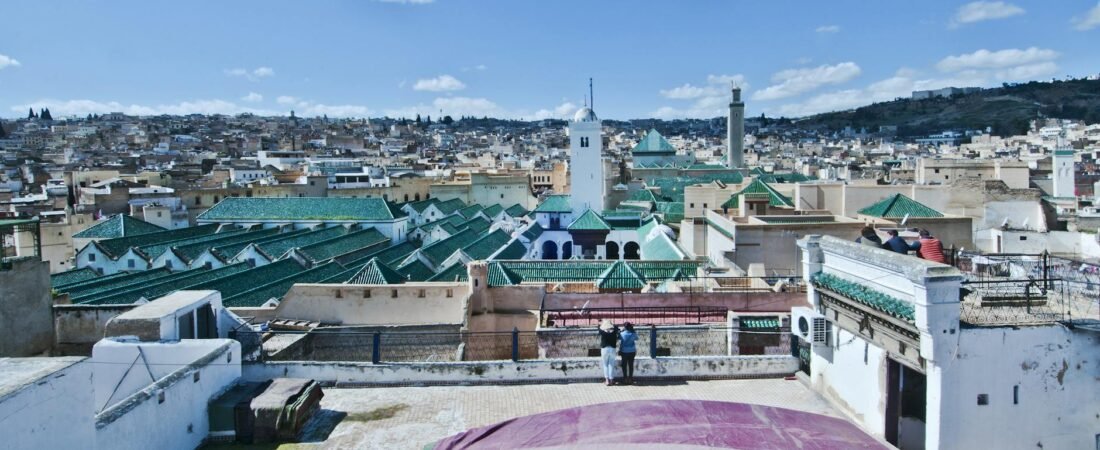
Morocco captures your attention with the scent of roasted cumin and the visual rhythm of intricate tilework lining every city wall. While the landscape spans from the snow-dusted High Atlas peaks to the rolling golden dunes of the Sahara, navigating the country requires a clear strategy to avoid feeling overwhelmed. Quick version: Focus your itinerary on the coastal breeze of Essaouira, the desert stillness of Merzouga, and the bustling artisan markets of Fes to capture the true essence of Morocco.
- Best months to visit: March to May and September to November.
- Daily budget range: $60 – $120 per person (prices may vary – check before you go).
- Ideal trip length: 10 to 14 days.
- Language: Arabic and French are standard; English is common in tourist hubs.
- Pro tip: Always carry small denominations of Dirham for market purchases and local transport.
What are the best places to visit in Morocco for first-timers?
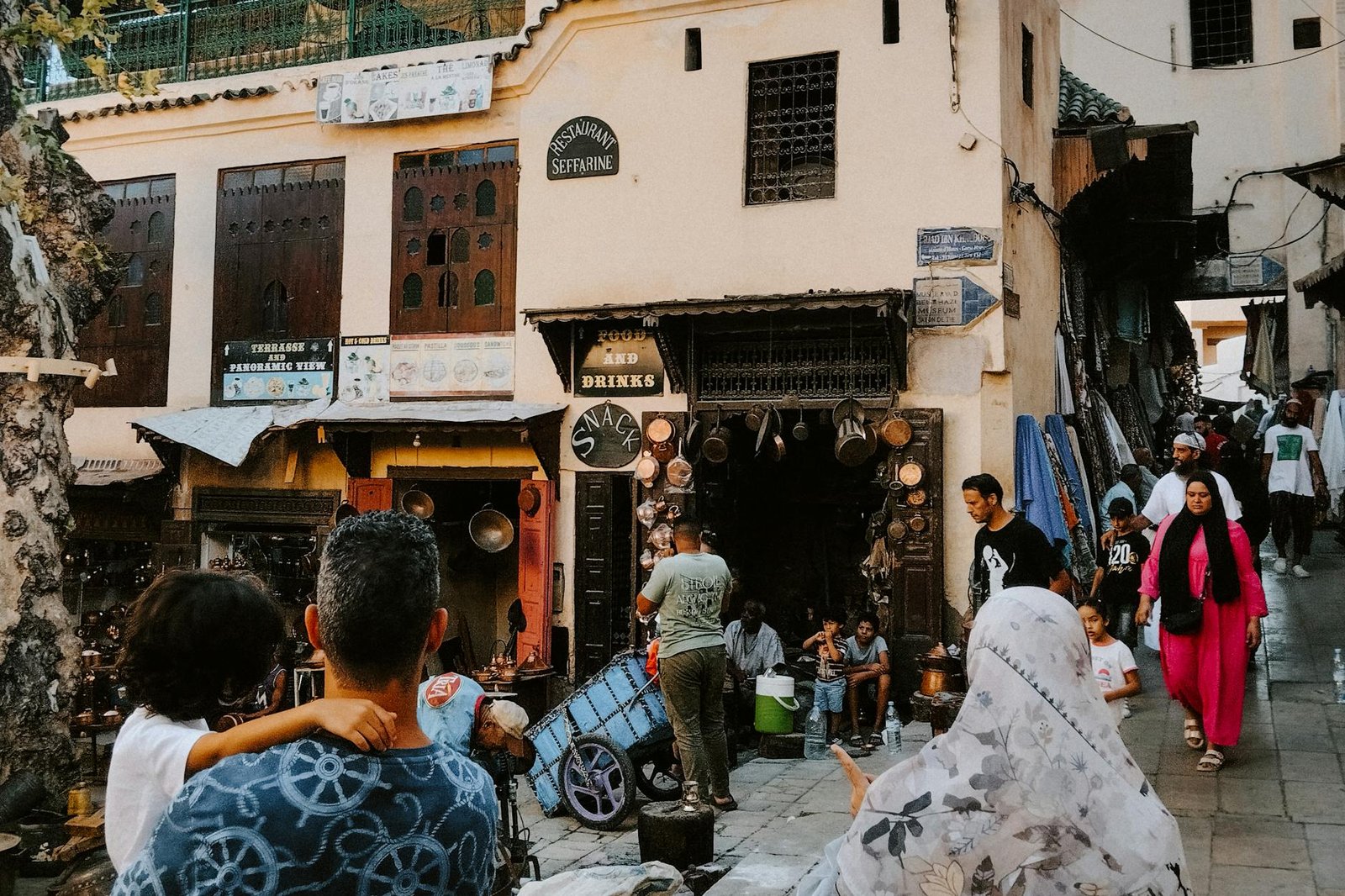
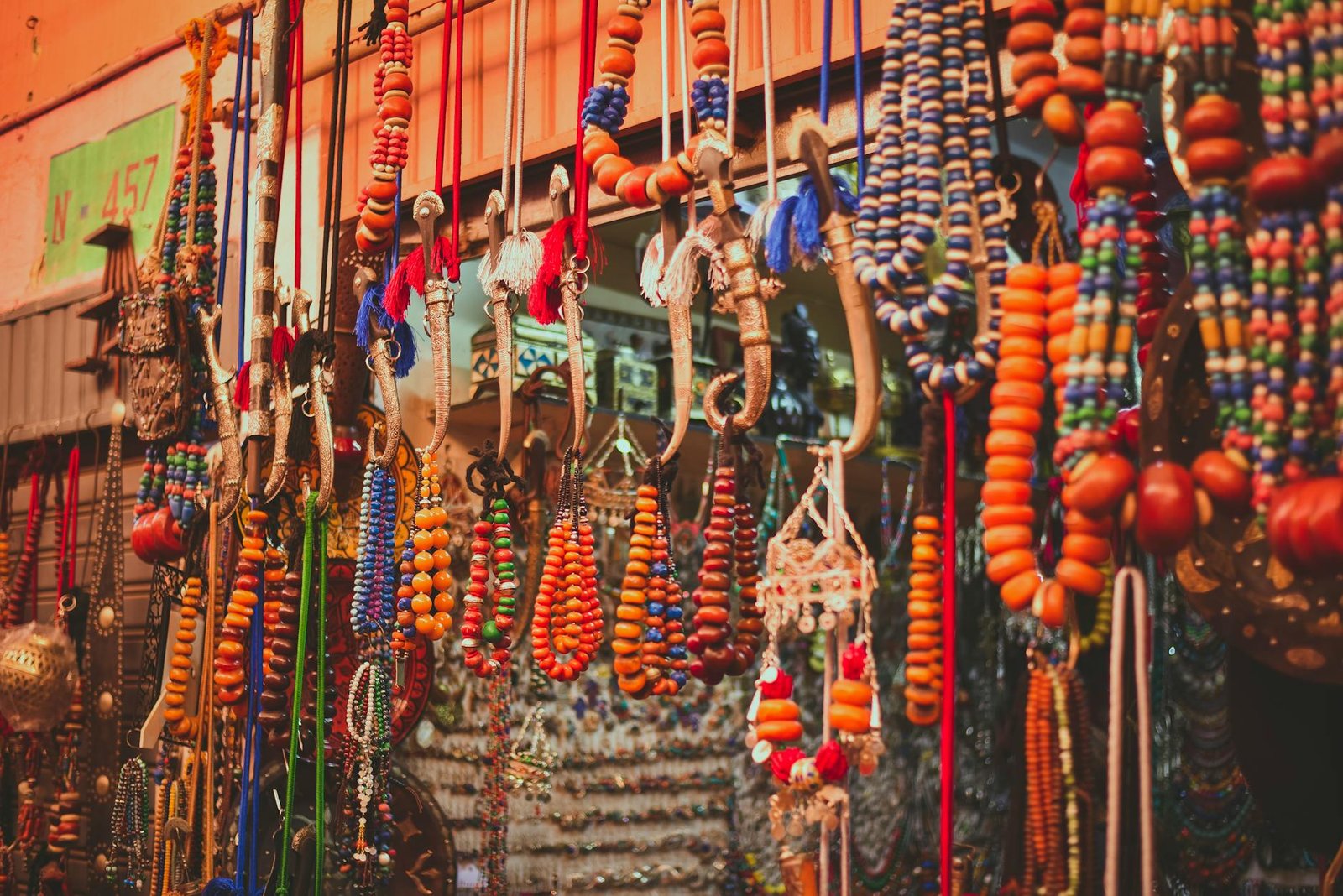
For a balanced introduction to the country, start with a route that connects the vibrant markets of Fes, the coastal charm of Essaouira, and the dramatic desert landscapes near Merzouga. This combination provides a deep contrast between urban craftsmanship, maritime history, and the vast natural beauty of the Sahara that defines the Moroccan experience.
Fes: The Heart of Traditional Craftsmanship
Fes serves as the intellectual and cultural capital where history feels alive in the narrow, car-free streets of the medina. You’ll find the Bou Inania Madrasa here, a masterpiece of carved cedar and intricate stucco that showcases the peak of local architectural talent. Spend your afternoon watching artisans at the leather tanneries, where natural dyes create a vibrant spectrum of colors in stone vats.
Don’t miss the chance to walk through the Bab Boujloud gate, often called the Blue Gate, which serves as the grand entrance to the old city. Grab a seat at a rooftop cafe overlooking the medina to enjoy mint tea while the sun sets behind the ancient walls. It’s an ideal spot to plan your next day trip to the nearby countryside.
Essaouira: The Coastal Escape
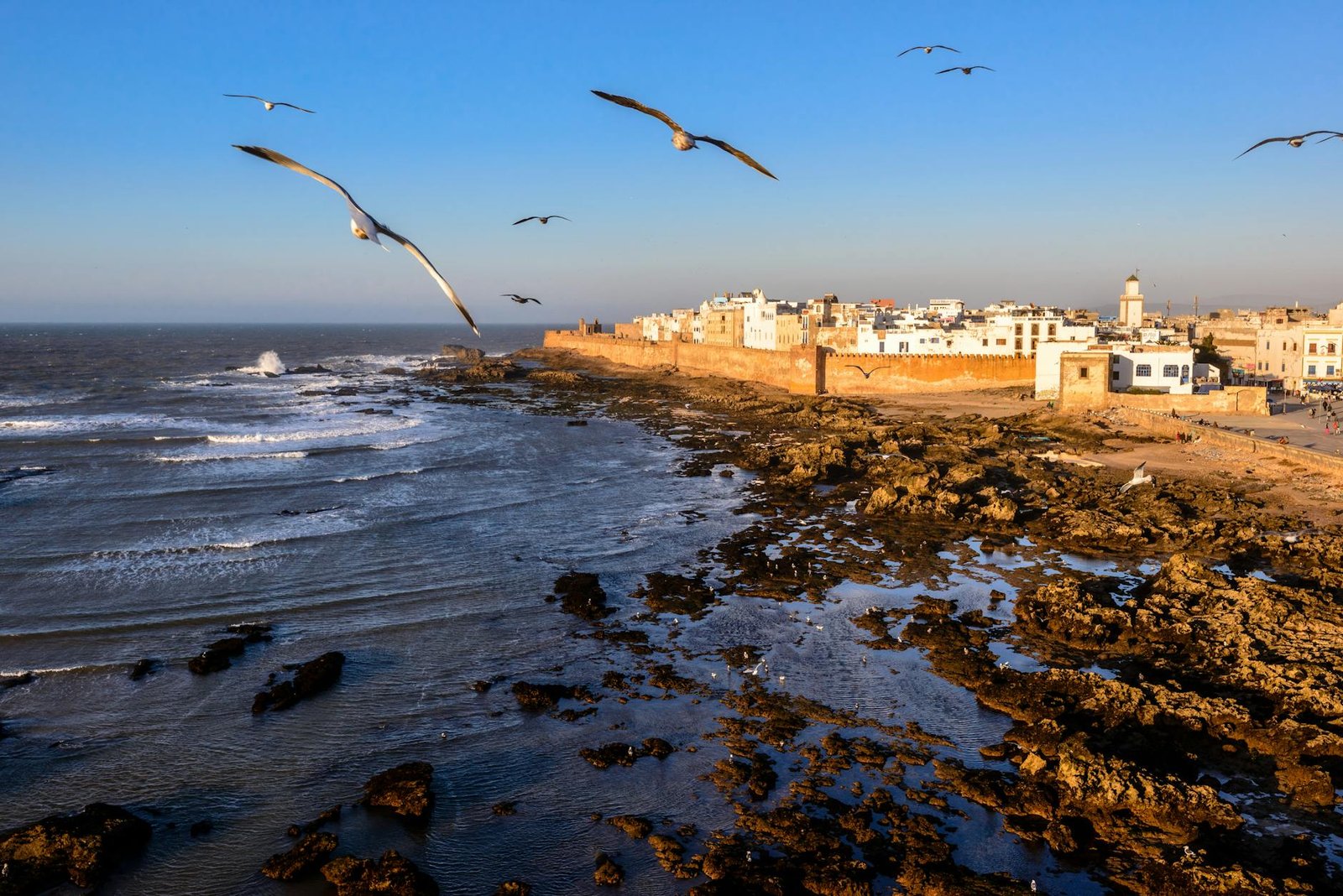
Trade the heat of the interior for the steady Atlantic breeze in Essaouira, a fortified town known for its relaxed pace and blue-painted fishing boats. Walk along the Skala de la Ville, a sea wall built in the 18th century, to get a panoramic view of the ocean and the rugged coastline. The air here feels crisp, and the pace of life slows down significantly compared to the larger cities.
Visit the port in the early morning to see the local fishermen bringing in the catch of the day, which usually includes sardines, sea bream, and octopus. You can have these items grilled fresh at the small stalls nearby for a fraction of the cost you would pay in a standard restaurant. It is a perfect place to recharge halfway through your travel schedule.
Merzouga: The Gateway to the Sahara
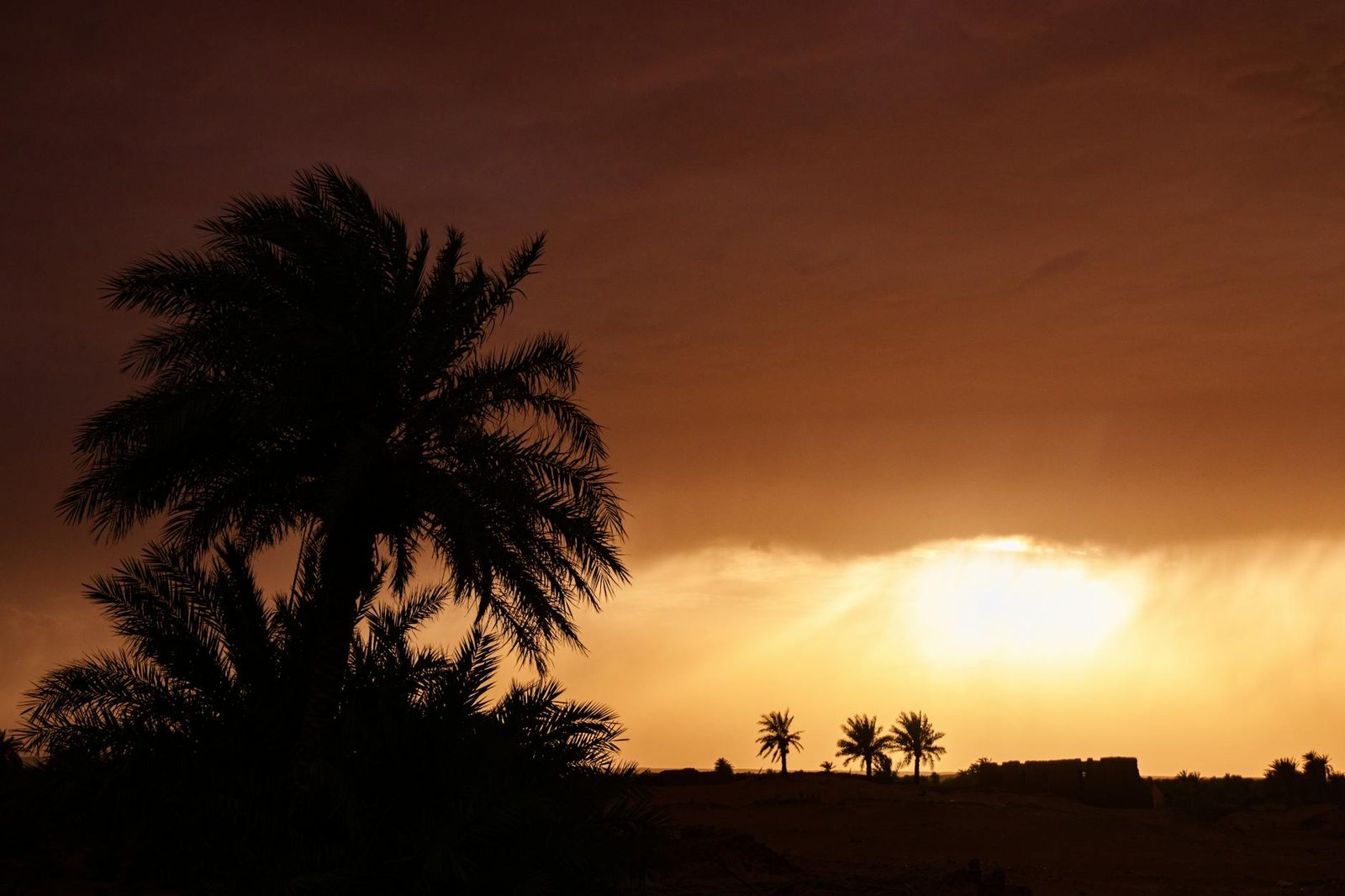
Located at the edge of the Erg Chebbi dunes, Merzouga offers an experience of absolute silence and vast, shifting sands. You’ll need to arrange a 4×4 transport or a camel trek to reach the deeper camps where you can sleep under a canopy of stars. The dunes change color from pale gold to deep orange as the light shifts throughout the day.
Plan your arrival for the late afternoon so you can climb a dune before sunset. The temperature drops significantly once the sun goes down, so pack layers even if the daytime feels warm. This is widely considered one of the most transformative locations in the country.
Chefchaouen: The Blue Mountain Village
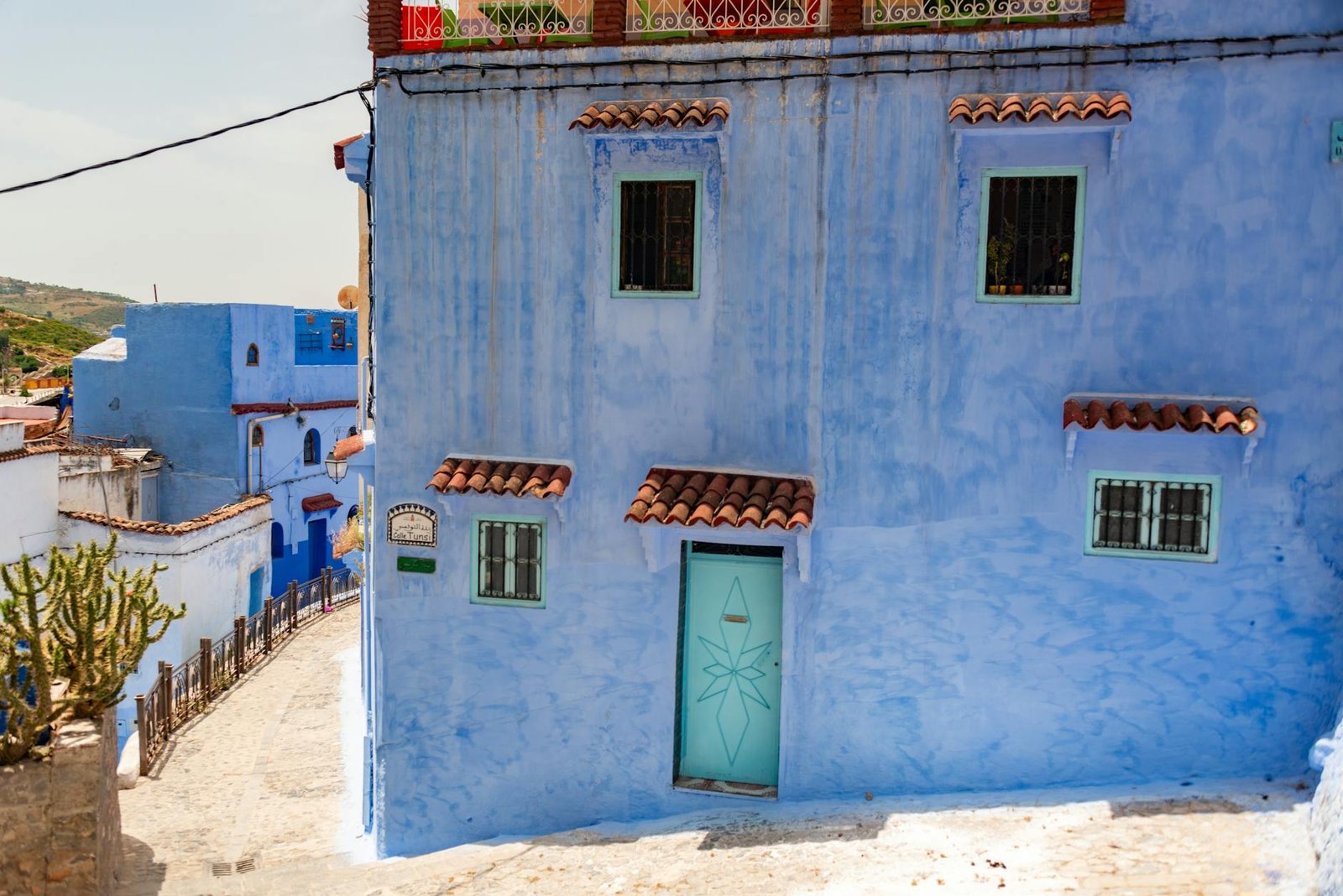
Nestled in the Rif Mountains, this town is famous for its striking blue-washed buildings that create a cooling visual effect against the rugged terrain. You can spend hours just walking the steep, winding paths, discovering hidden courtyards and doorways adorned with flower pots. The pace is slow, and the local vendors focus on selling woven blankets, wool garments, and goat cheese.
If you enjoy hiking, take the trail leading up to the Spanish Mosque viewpoint on the hill opposite the town. It provides the best angle for photography, especially in the early morning when the light hits the blue walls from the east. It remains a favorite for travelers seeking a quieter, more intimate atmosphere.
Logistics for Exploring Morocco
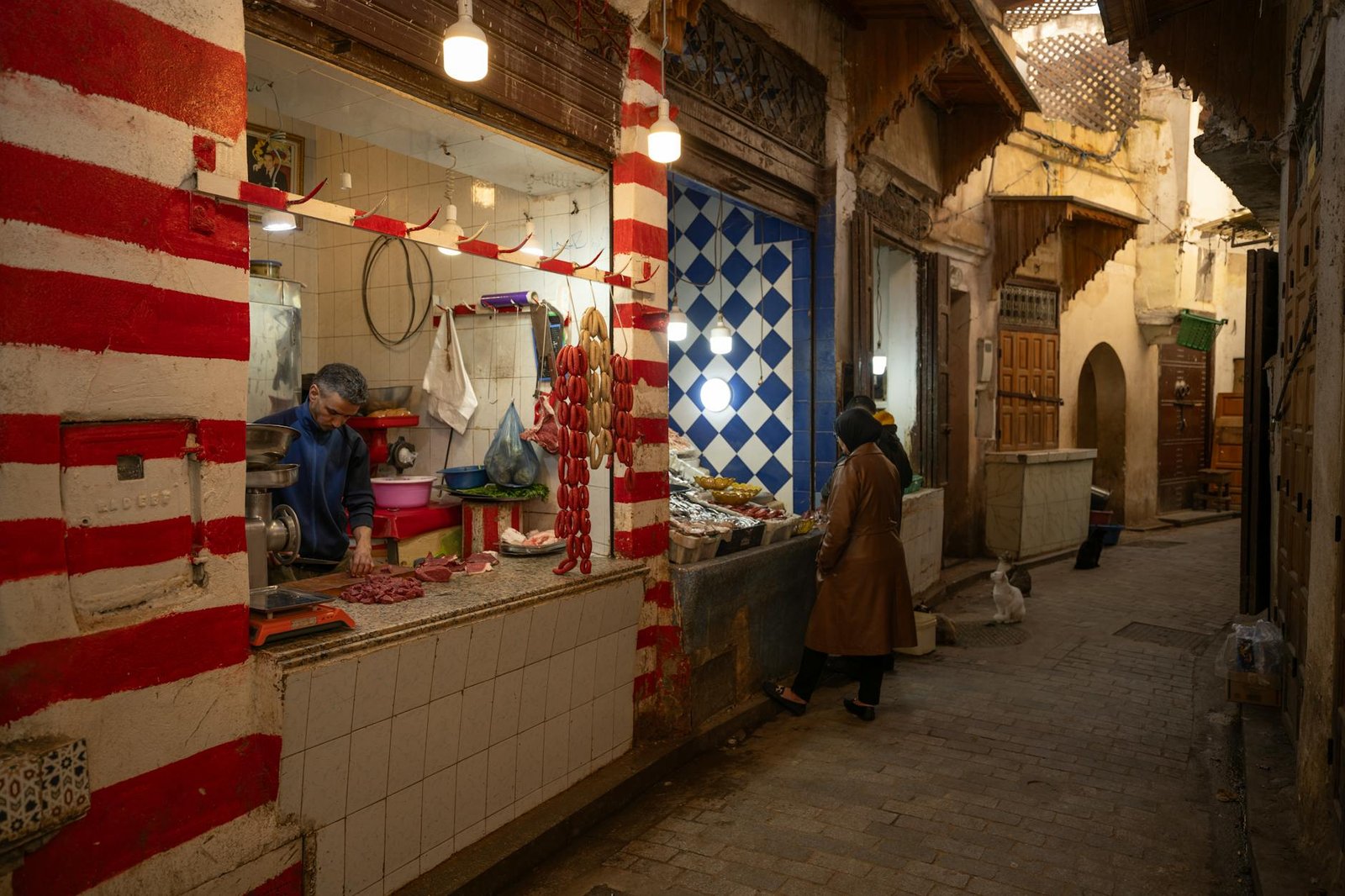
Choosing where to stay makes a significant difference in your daily experience. Look for traditional guesthouses known as riads, which feature central courtyards and are often located inside the historic medina walls. They offer a quiet sanctuary from the busy streets outside.
Getting around is best managed through a mix of private drivers for long distances and local trains for major city connections like Fes to other hubs. Avoid the common mistake of trying to see too many cities in one week. You’ll enjoy your trip much more by spending three nights in each location rather than rushing between destinations every day. Check out these essential packing tips before you depart.
Common Questions
How many days do you need to see the best places in Morocco?
A minimum of 10 to 14 days allows you to cover the essential cities like Fes, the coastal areas, and the desert without feeling rushed. Trying to see everything in less than a week usually leads to spending too much time in transit.
Is it easy to navigate the medinas in Moroccan cities?
The medinas are intentionally designed with maze-like layouts to provide shade and security. While they can be confusing initially, using offline maps and asking local shopkeepers for directions will help you find your way back to major landmarks.
What should you pack for a trip to Morocco?
Pack modest, breathable clothing such as linen shirts and long trousers to respect local customs and stay comfortable in the heat. Also, bring a sturdy pair of walking shoes, as the cobblestone streets in historic areas are uneven and demanding on your feet.
When is the best time of year to visit the Sahara?
The most comfortable time to visit the desert is during the spring or autumn months. Summer temperatures in the Sahara can exceed 100 degrees Fahrenheit, making outdoor activities dangerous during the day.
Morocco offers a unique opportunity to slow down and appreciate the details of daily life, from the intricate patterns on a hand-woven rug to the taste of fresh tagine. As you plan your itinerary, remember that the most rewarding moments often happen when you step away from the main tourist paths. For more inspiration on planning your next adventure, explore our other guides.