
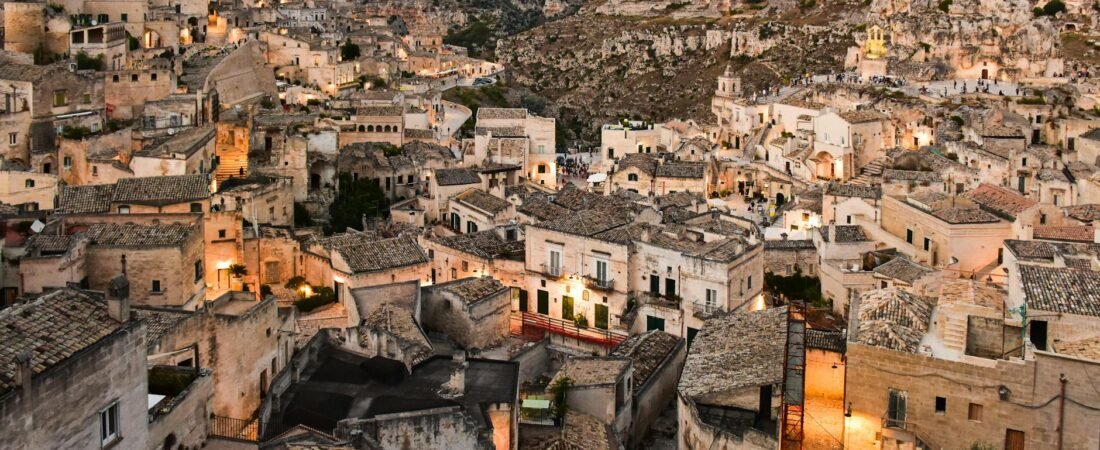
Italy holds more than just major cities; it contains hundreds of small, colorful villages where the pace slows down and the architecture feels like a movie set. Finding the prettiest towns in Italy involves looking past the crowded squares and finding those places where the limestone walls meet the sea or the mountain air stays crisp year-round. Quick version: Focus on coastal gems like Vernazza or inland escapes like Pitigliano to experience the authentic, quiet side of the country without the typical tourist crowds.
- Best months: May, June, and September for mild weather.
- Daily budget: $120–$200 for mid-range travelers (prices may vary – check before you go).
- Ideal trip length: 10 to 14 days to see multiple regions.
- Language: Italian (English works in tourist hubs).
- Pro tip: Rent a small car, as many village streets are too narrow for standard SUVs.
Vernazza
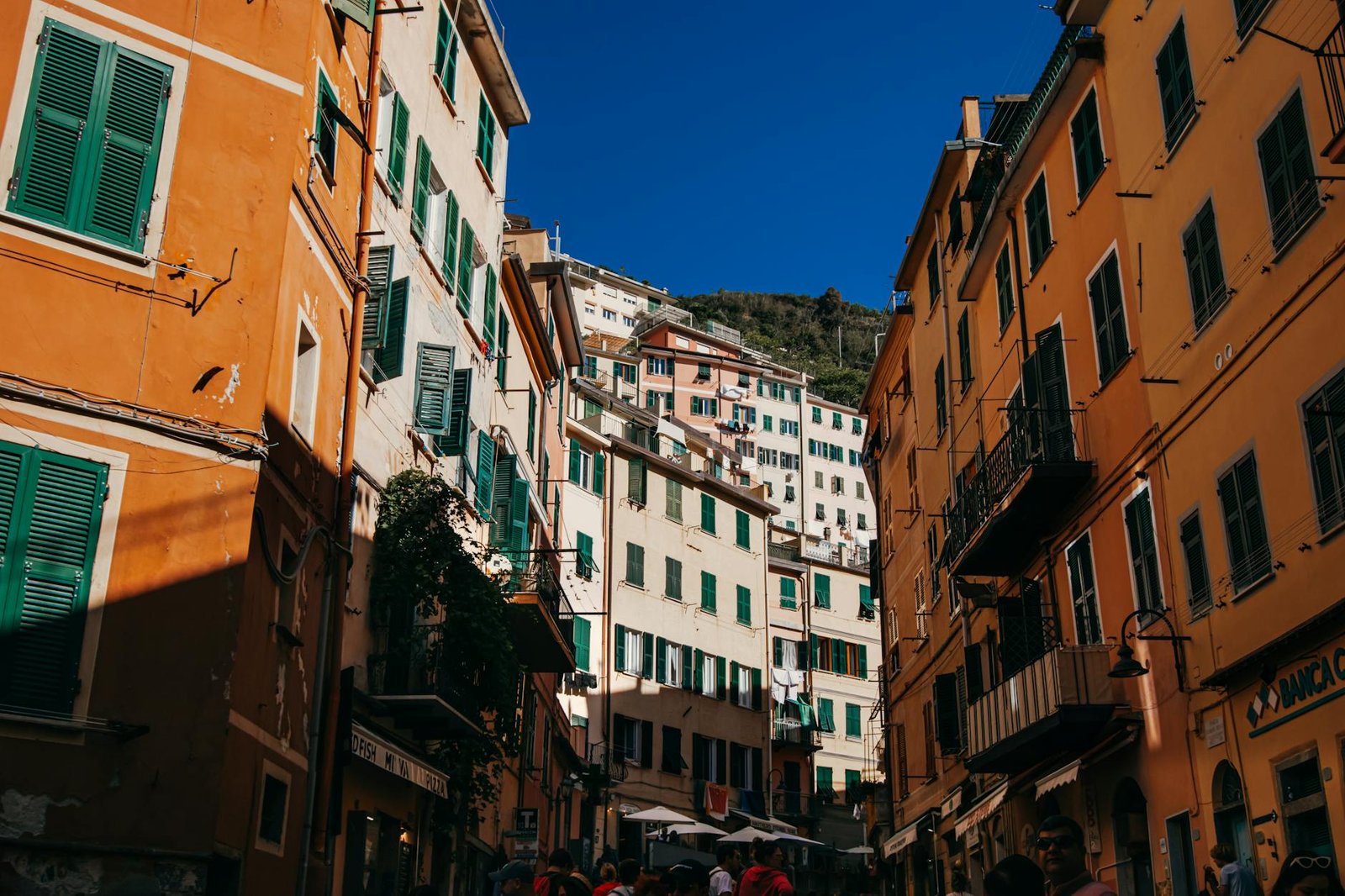
Vernazza stands as one of the most iconic coastal spots in the northern region, defined by its natural harbor and pastel-colored houses. You’ll find the entire town is pedestrian-only, which keeps the atmosphere peaceful despite its popularity.
Spend your time walking the harbor wall or visiting the Doria Tower for a panoramic view of the cliffs. The town is perfect for photography, especially during the golden hour when the sun hits the waterfront buildings.
Pitigliano
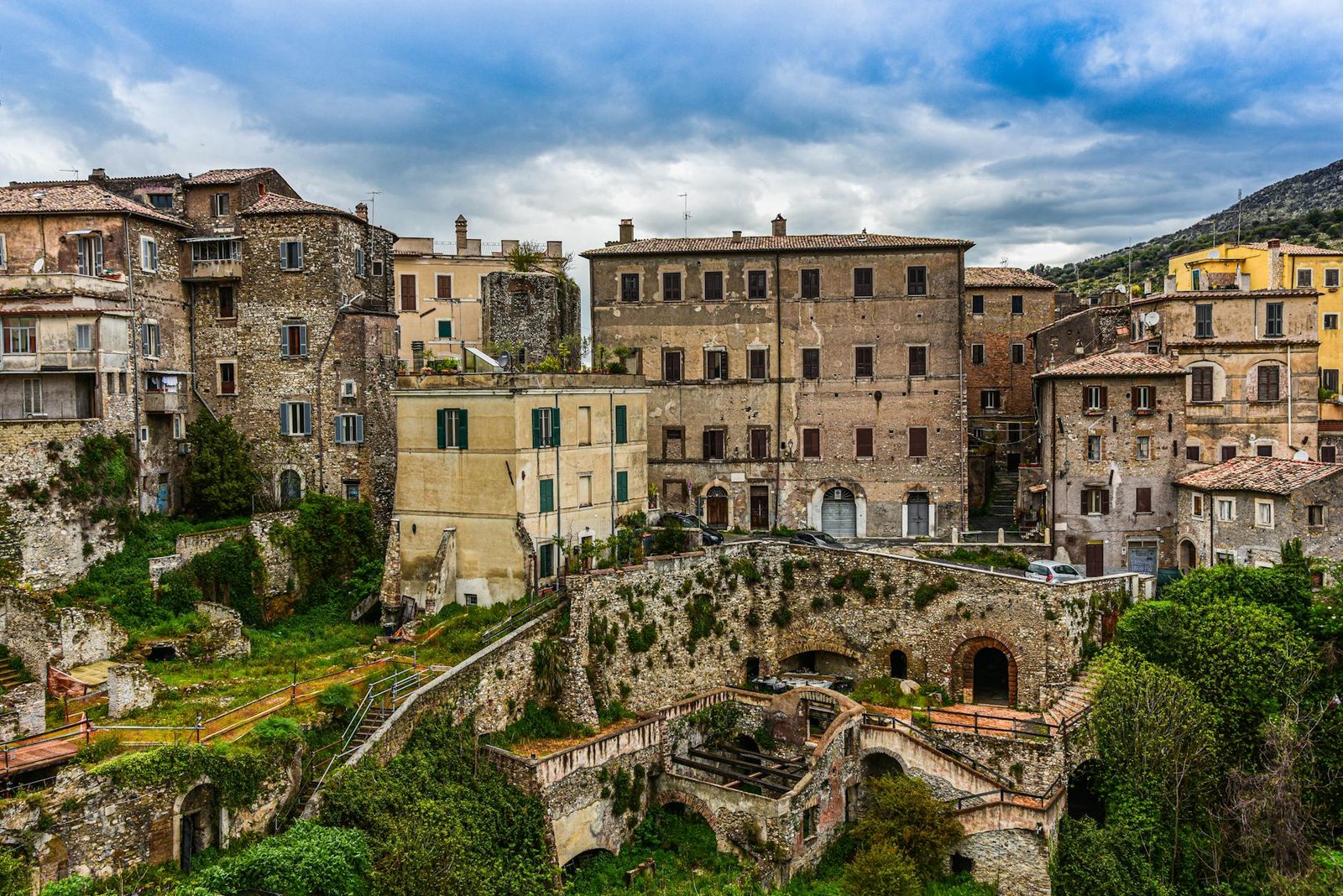
Known as the “Little Jerusalem,” Pitigliano is carved directly into volcanic tuff rock, making it look like an extension of the cliffside itself. This town offers a unique architectural style where the homes seem to grow out of the earth.
Walk through the narrow alleyways to see the historic aqueduct, which dates back to the 16th century. It’s a quiet place that feels untouched by time, offering plenty of scenic walking paths around the perimeter.
What are the best ways to explore small Italian towns?
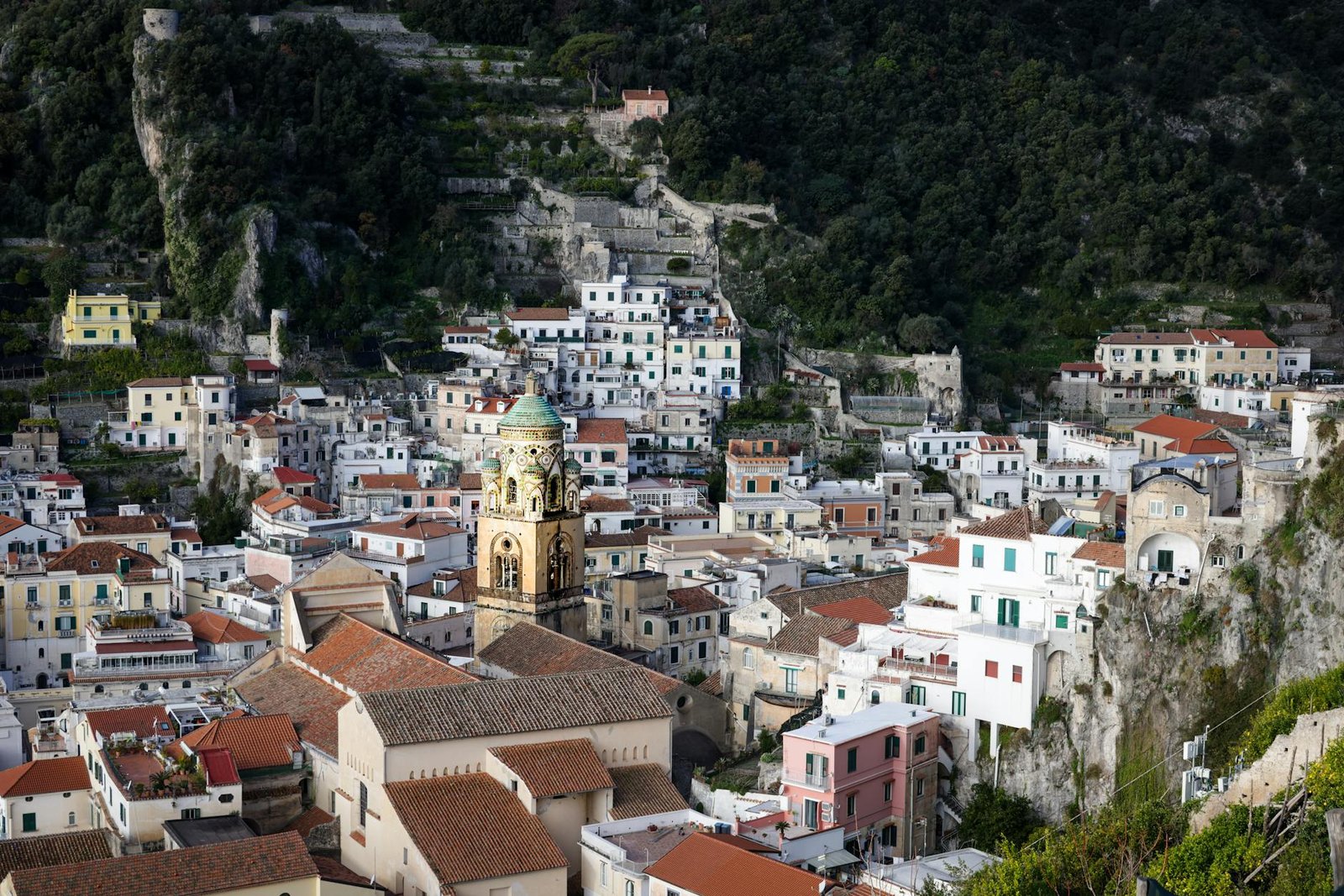
The best way to explore small Italian towns is by using a combination of regional trains and a rental car. Trains efficiently connect the major hubs, while a car provides the freedom to reach remote hilltop villages where public transport is limited. Focus on one region, such as Tuscany or Liguria, to minimize travel time and maximize your exploration of local markets, viewpoints, and hidden coastal coves.
Varenna
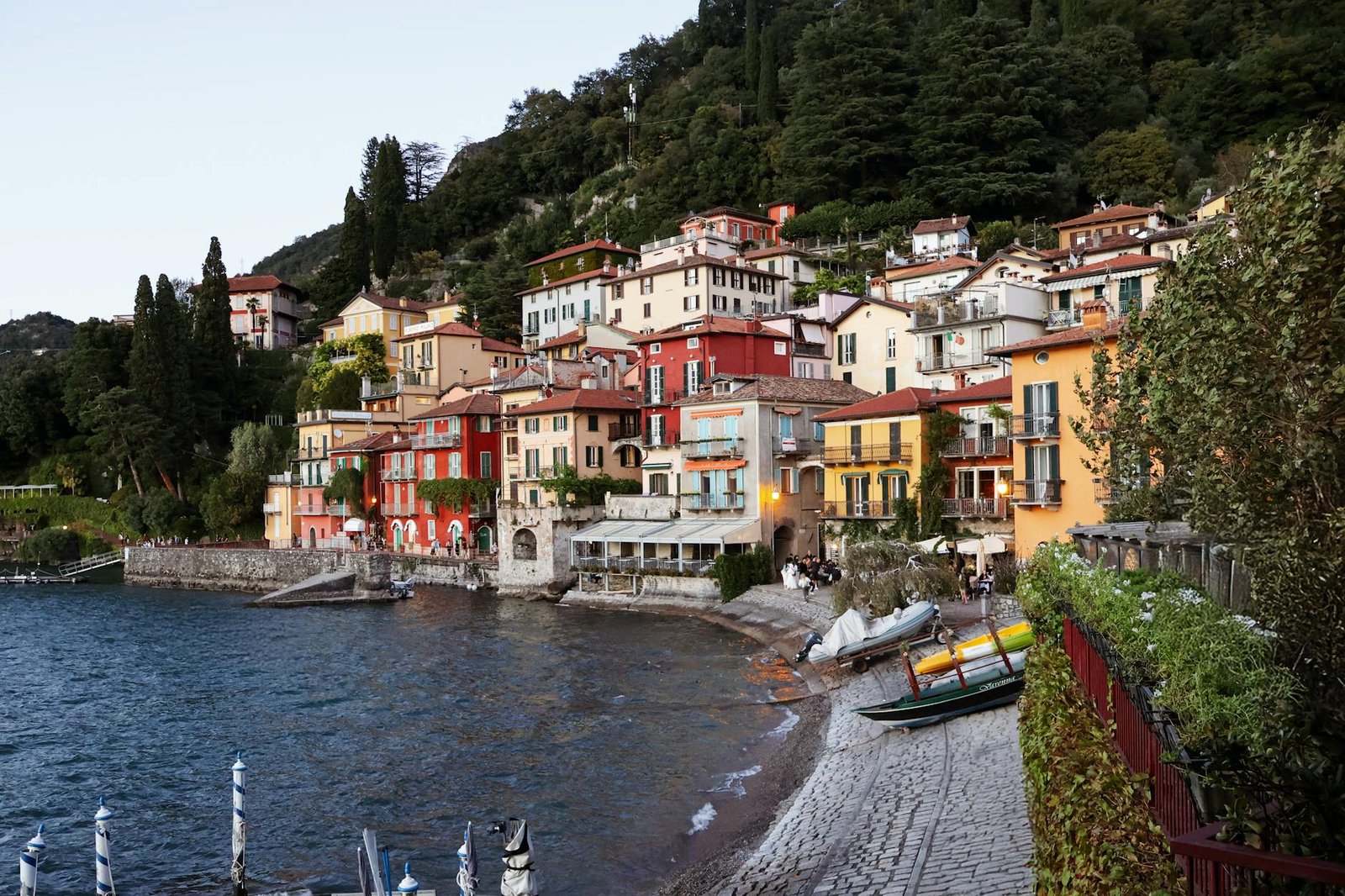
Located on the eastern shore of Lake Como, Varenna feels much more intimate than its larger neighbors. The town is famous for the Walk of Lovers, a red-covered pedestrian path that hugs the shoreline above the water.
Visit the gardens at Villa Monastero to see rare botanical specimens and marble statues. The view from the water looking back at the town is the main reason travelers choose this spot over busier lakeside destinations.
Castelmezzano
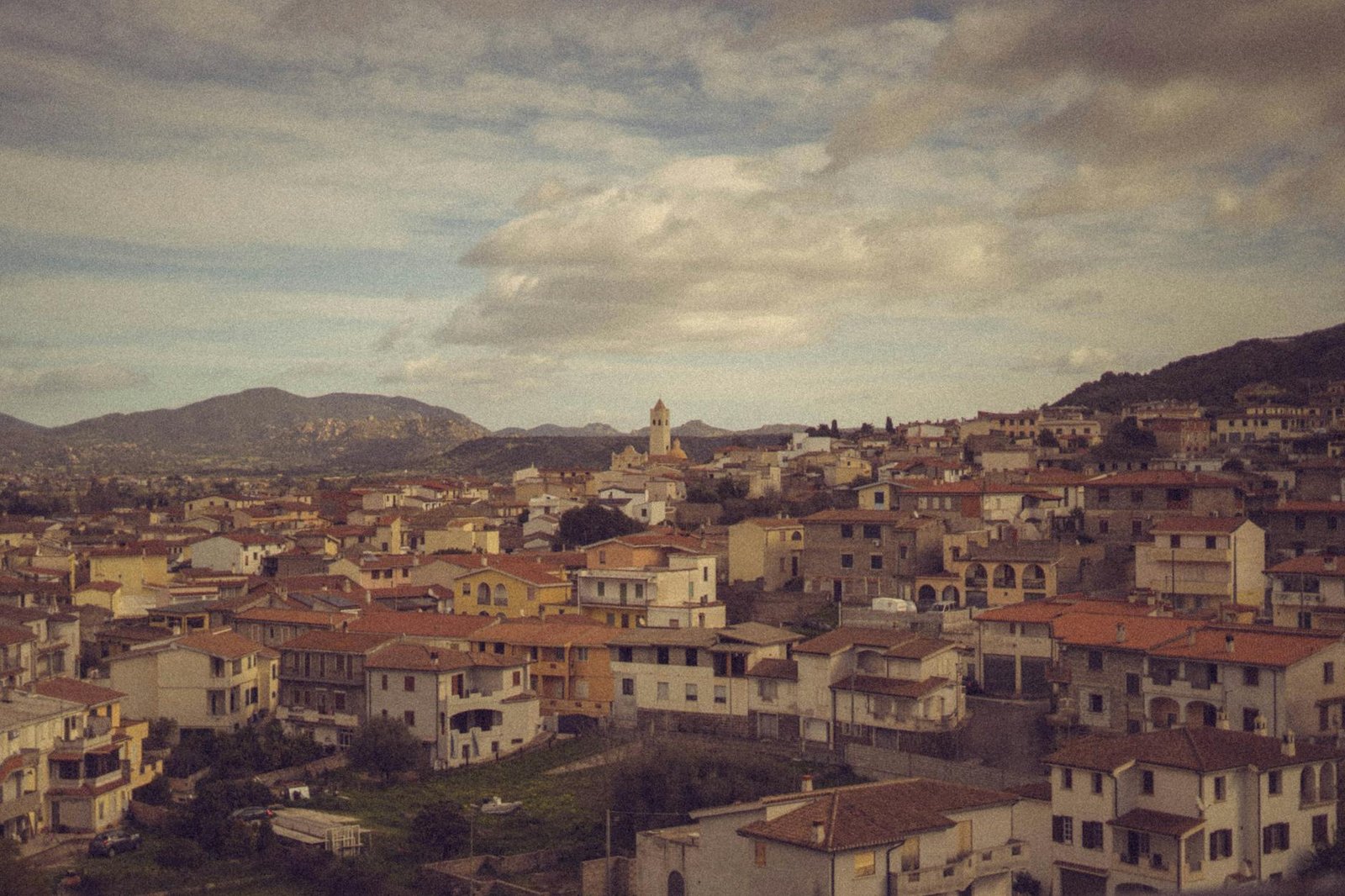
Tucked deep into the Dolomiti Lucane mountains, Castelmezzano is a vertical wonder. The houses are built into the jagged rock face, creating a dramatic landscape that looks almost impossible to inhabit.
This is a destination for those who enjoy hiking and raw nature. The town serves as a base for the Volo dell’Angelo, a zip-line that connects it to the neighboring town of Pietrapertosa. It’s an adrenaline-fueled way to see the mountain range from above.
Spello
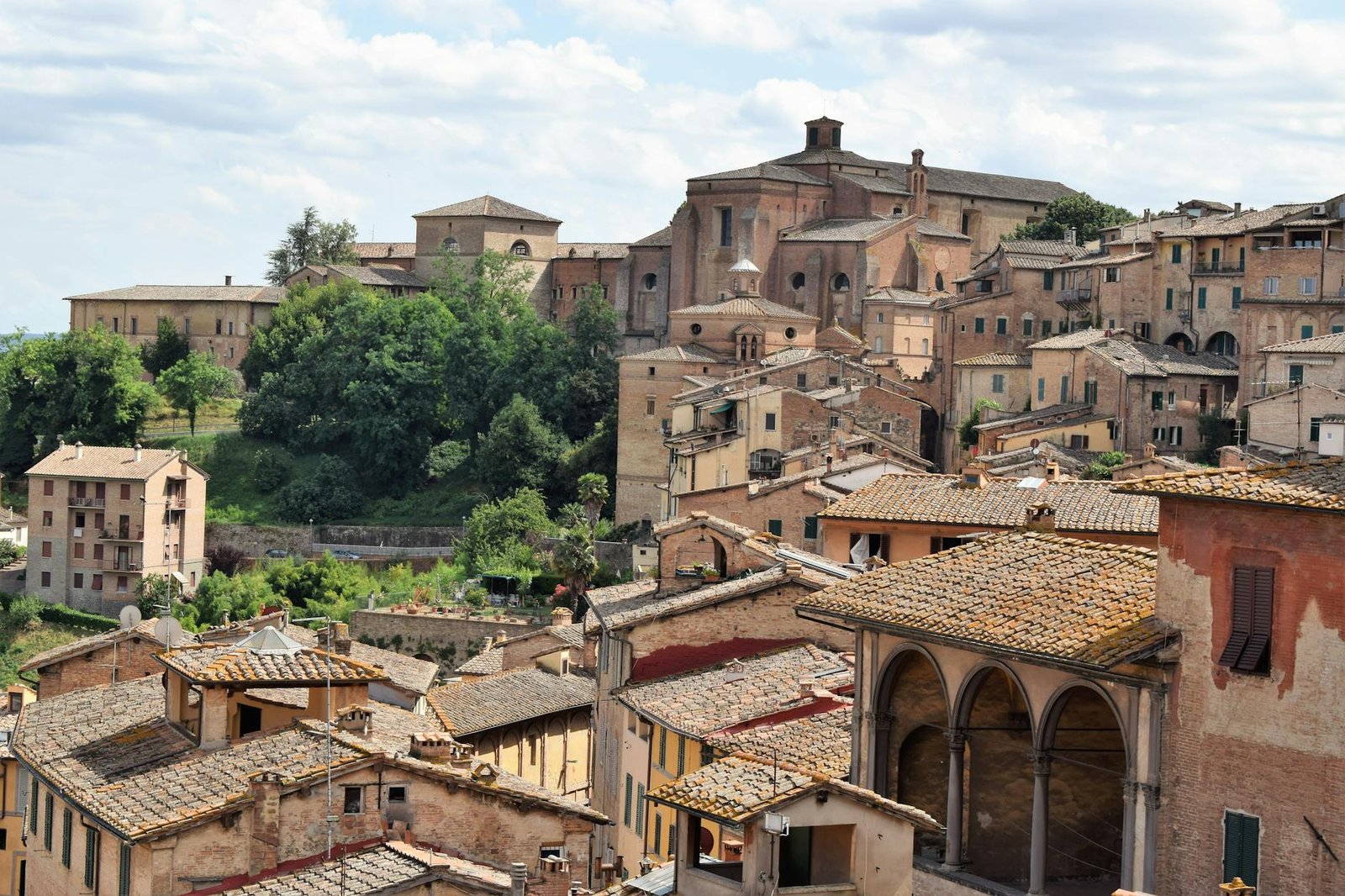
Spello is often cited as the most floral town in the country because residents decorate their stone balconies and narrow staircases with vibrant pots of geraniums and ivy. It is a masterclass in urban gardening and preservation.
The town remains enclosed within ancient Roman walls, which are still largely intact. Walking through the Porta Consolare provides a clear look at how the town has maintained its layout for centuries without modern interference. It is a perfect day trip for anyone interested in photography or local horticulture.
Procida
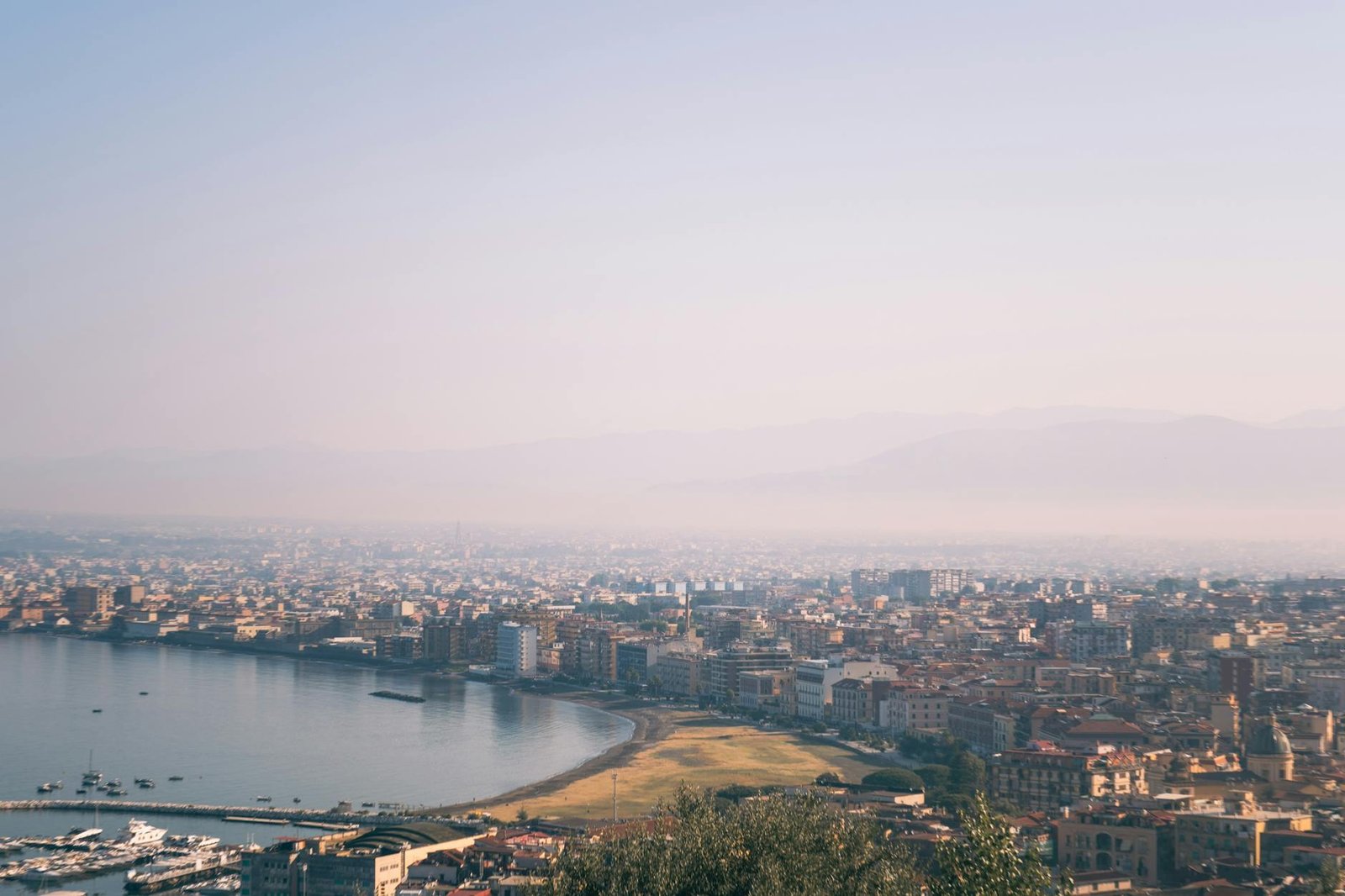
As the smallest island in the Bay of Naples, Procida keeps a low profile compared to its neighbors. The marina area, known as Corricella, features a dense cluster of yellow, pink, and blue houses stacked against the cliff.
Because it isn’t focused on luxury tourism, the prices here remain lower than on the mainland. Spend your afternoon eating fresh seafood at a waterfront table or walking up to the Terra Murata for a view of the entire bay.
Practical Planning for Your Italy Trip
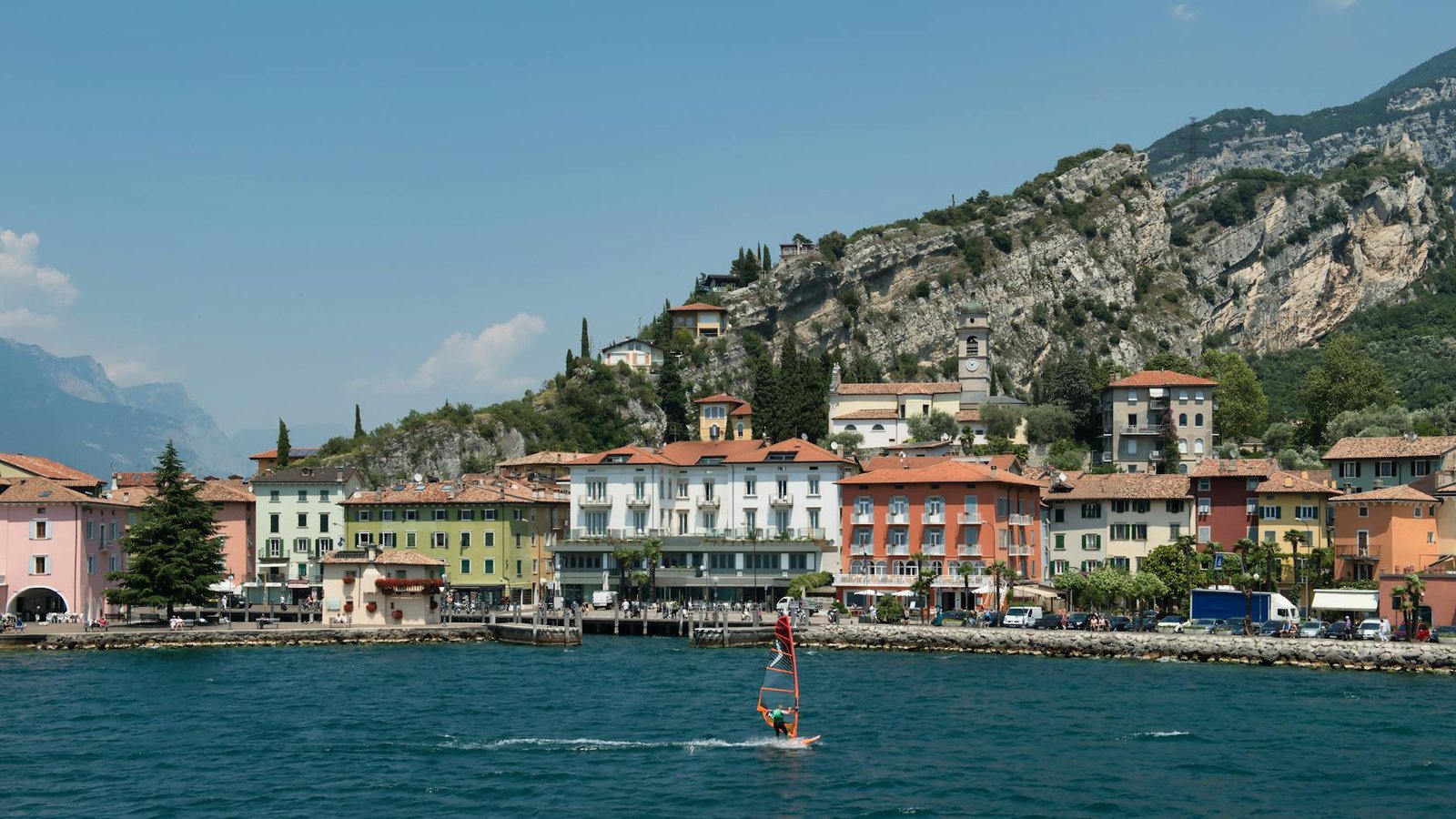
When selecting where to stay, prioritize towns that offer direct train access if you don’t intend to drive. Many of the prettiest towns in Italy are best experienced in the early morning before the tour buses arrive from larger cities.
Always keep a small amount of cash on hand for small cafes and local artisan shops. Don’t worry about speaking perfect Italian, but learning basic phrases goes a long way with locals. Avoid the mistake of trying to visit more than two towns in one day, as the winding roads take longer than GPS estimates suggest.
If you need help organizing your route, check out our comprehensive travel planner for tips on mapping your journey efficiently.
Common Questions
How many days do you need to see these towns?
Plan for at least two days in each region to avoid rushing. If you want to visit three or four different areas, a two-week trip is the minimum time required to enjoy the pace of life in these locations.
Is it expensive to visit smaller towns in Italy?
Costs vary, but smaller towns are generally cheaper than major hubs like Rome or Florence. You can expect to pay between $80 and $150 per night for quality accommodation, and food prices are typically lower at local trattorias.
Are these towns accessible by public transport?
Most coastal towns are easily reached by regional trains. However, hilltop locations in the interior often require a rental car or a local bus service, which may run on a limited schedule.
What is the best time to visit Italy for these towns?
Aim for late spring or early autumn. The weather is warm enough for hiking and outdoor dinners, but you avoid the peak crowds and high humidity of July and August.
Exploring the prettiest towns in Italy allows you to see a side of the country that feels personal and calm. Whether you choose the rugged coast or the quiet mountain peaks, these destinations offer a refreshing perspective on European travel.